Back to top

New NOAA Model Improves Understanding of Potential Paths of Japan Tsunami Debris

Short title: 
Modeling Japan Tsunami Debris Movement

PUBLISHED APRIL 12, 2012; GRAPHIC UPDATED APRIL 6, 2014 -- As the devastating tsunami waves which hit Japan in March 2011 receded from land, they washed approximately 5 million tons of debris into the ocean. While Japan estimates about 30 percent of that originally floated away from shore, there are no accurate estimates of how much debris is still floating today.

Concerns persist that this diverse array of floating materials—everything from boats and building rubble to appliances and consumer products—could wash up on shores in Hawaii, Alaska, the U.S. west coast, and Canada over the next few years.

A recently updated model from the National Oceanic and Atmospheric Administration (NOAA) predicted that some very buoyant debris already may have reached the Pacific Northwest coast as early as winter 2011–2012.

NOAA researchers were validating these results with other modeling experts when a Japanese fishing vessel was reported adrift in Canadian waters near British Columbia, and its connection to the tsunami was confirmed. The model shows that the bulk of the tsunami debris, however, likely remains dispersed in the Pacific Ocean north of the main Hawaiian Islands and east of Midway Atoll.

NOAA continues to lead efforts with international, federal, state, and local partners to collect data on marine debris quantity, location, and movement; to assess its possible impacts; and to make plans to reduce tsunami debris impacts to our coastal communities and natural resources.

Predicting Where the Debris May Travel

Immediately after the March 2011 disaster, NOAA used a computer model employing past data on ocean currents to forecast potential paths of the tsunami debris. It provided NOAA with an idea of the general direction and timing of the debris, with the recognition that over time changing ocean conditions might affect the expected behavior of the drifting materials.

More than a year later, NOAA modelers have been able to incorporate wind speed and ocean current data from the past year into an updated model. This new modeling effort gives us a better understanding of where the debris may have traveled to-date, but it does not predict where it will go in the future or how fast it will drift. The new model takes into account that wind may move items at different speeds based on how high or low materials sit in the water.

UPDATE: No Solid Mass of Debris from Japan in the Pacific Ocean
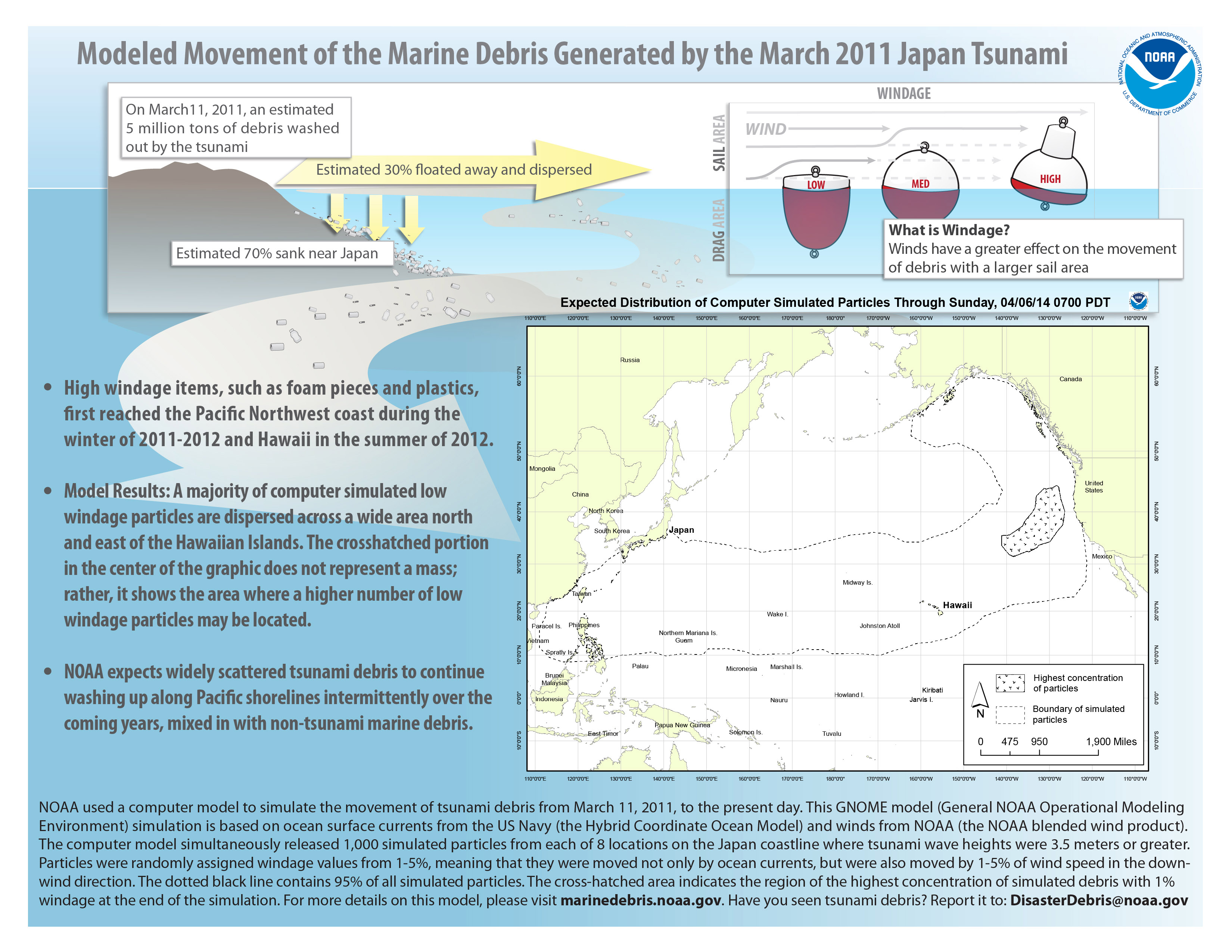
Modeled movement of the Japan tsunami marine debris.
Data as of April 6, 2014. Click to enlarge image.
Monitoring Debris at Sea and on Shore

NOAA is collecting observations from aircraft, vessels, and high-resolution satellites in an attempt to track where the debris may go as it crosses the ocean. We are working with partners that regularly travel the Pacific Ocean, including the U.S. Coast Guard, commercial shipping vessels, and the fishing industry to keep watch for debris. Ships may report sightings to DisasterDebris@noaa.gov.

Currently, NOAA and the U.S. Fish and Wildlife Service, and state and local partners are surveying the background levels of marine debris stranded on U.S. coastlines in order to better detect potential influxes of tsunami debris on land. The public may also participate in shoreline monitoring by requesting our standardized protocols through the NOAA Marine Debris Program at MD.monitoring@noaa.gov.

For the past several months, the NOAA Marine Debris Program and federal, state, and local partners have been preparing contingency plans that will help protect our coastal communities, since the debris may be a hazard to natural resources, such as U.S. beaches, wildlife, marine sanctuaries, and navigation. These plans will guide local responses in case large, hazardous, or unmanageable items need to be removed from U.S. shores.

State radiation experts have assured NOAA that it is highly unlikely any debris will be contaminated. Some marine debris collected along shorelines has been randomly spot-checked in Hawaii and on the West Coast, and to date, no one has detected radiation levels of concern.

Keeping Up with the Latest Information

The NOAA Marine Debris Program continues to provide updates to communities and partners in Hawaii, Alaska, and on the West Coast through a number of public meetings and other outreach activities.

To stay up-to-date on the latest information on the debris as well as NOAA monitoring and modeling efforts, visit the NOAA Marine Debris Program website. Our state partners are also sharing regional information at http://disasterdebris.wordpress.com.
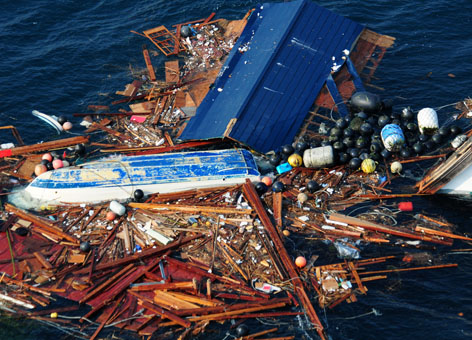
Aerial view of scattered debris in the water.
An aerial view of debris from the earthquake and subsequent tsunami that struck northern Japan, taken on March 13, 2011, only days after the disaster struck. Debris fields such as these are no longer visible. (U.S. Navy)
Node Weight: 
7

The Search for Microplastics: From Face Scrubs to the Sea

Short title: 
The Search for Microplastics: From Face Scrubs to the Sea

APRIL 2, 2012 — You may be surprised to learn that the tiny exfoliating "beads" found in products like facial cleansers, toothpaste, and hand cleansers often are actually made of plastic.

These bits of polyethylene plastic are too small to be caught by wastewater treatment plants after they wash down the drain and instead end up in the ocean, where they may become a hazard to marine life.

A 2009 study at the University of Auckland in New Zealand revealed that the average person is now likely to use cleansing products with microplastics on a daily basis because the majority of facial cleansers now contain polyethylene microplastics.

But what does all this plastic mean for the environment?

"While we don't yet understand the impacts of microplastics to aquatic organisms," says Dr. Joel Baker, professor at the University of Washington and Science Director of the Center for Urban Waters in Tacoma, "we do know that releasing persistent materials into the ocean will result in ever increasing concentrations of marine debris."

The Bigger Issue of Tiny Plastics

While this issue of microplastics in the ocean was first addressed by scientists in the 1970s, interest in it has grown substantially in the last decade.  According to the 2010 proceedings of an international workshop on microplastics [PDF], it is now internationally recognized that marine organisms do ingest these tiny plastic particles, with the potential for harm from, for example, the toxicity of chemicals in the plastic.

The NOAA Marine Debris Program is leading efforts within NOAA on the emerging issue of microplastics, which they define as plastic pieces approximately the size of a pencil eraser or smaller. They are working in partnership with the lab of Dr. Baker at the University of Washington Tacoma to standardized methods for collecting samples of microplastics from sediment, sand, and surface water.

This project, funded through the Joint Institute for the Study of the Atmosphere and Ocean, determined a relatively simple, cost-effective, and unbiased laboratory method to estimate the quantity of three plastics (polyethylene, polypropylene, and polyvinylchloride) in environmental samples. The goal is to determine concentrations of these plastics in the environment—to figure out the extent of the problem—and the study has found microplastics on virtually every beach surveyed.

Dr. Baker's lab has developed methods to measure microplastic particles larger than about 0.3 millimeters (less than 1/80 of an inch), the size of the nets used to collect the samples. Most of the microplastics in consumer products are smaller than this. To date, no one has detected the consumer product plastic beads in the environment.

According to Dr. Baker, "They are almost certainly out there; we just don't have the tools to detect them." A huge challenge to addressing this type of marine debris is that original sources of the microplastics are extremely difficult to trace.

The next step in this study is to assess the potential chemical impacts of microplastics. You can find more detailed information from the Second International Research Workshop: Microplastic Marine Debris.

Courtney Arthur, research coordinator with the NOAA Marine Debris Program, expects research on microplastics and the effects on marine life to be a hot topic among scientists over the next few years. But for now, she says, the bottom line is still unclear.

"We know it's possible they could be accumulating in the food chain," says Arthur. "The entire spectrum of marine life, from lugworms and mussels to fish and marine mammals, has the potential to take in these small particles. But at this point, it's hard to say if these particles are bioaccumulating in food webs and how much harm is being caused by chemicals in the plastic."

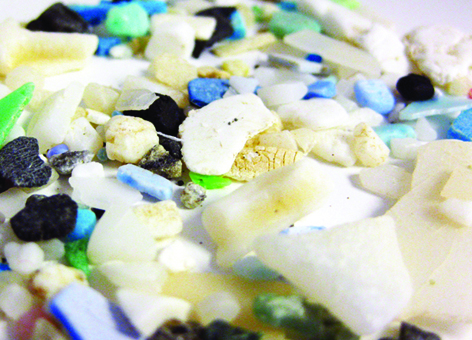
Tiny particles of degraded plastics.
A sampling of microplastics. (NOAA)
Node Weight: 
4

Some Gulf Dolphins Severely Ill, Says Study by NOAA and Partners

Short title: 
Some Dolphins Severely Ill After Gulf Spill

MARCH 26, 2012 — Bottlenose dolphins in Barataria Bay, Louisiana, are showing signs of severe ill health, according to NOAA marine mammal biologists and their local, state, federal, and other research partners.

Barataria Bay, located in the northern Gulf of Mexico, received heavy and prolonged exposure to oil during the Deepwater Horizon/BP oil spill.

Based on comprehensive physicals of 32 live dolphins from Barataria Bay in the summer of 2011, preliminary results show that many of the dolphins in the study are underweight, anemic, have low blood sugar, and/or some symptoms of liver and lung disease.

Nearly half also have abnormally low levels of the hormones that help with stress response, metabolism, and immune function.

Researchers fear that some of the study dolphins are in such poor health that they will not survive. One of these dolphins, which was last observed and studied in late 2011, was found dead in January 2012.

NOAA and its local, state, and federal partners started the Barataria Bay dolphin study in 2011 as part of the Natural Resource Damage Assessment (NRDA), the process for studying the effects of the Deepwater Horizon/BP oil spill.

View a photo gallery of dolphin assessment work.

NOAA is sharing the preliminary results from the study so that stranding responders and veterinarians can better care for live stranded dolphins and look for similar health conditions.

Investigation of Dolphin Strandings in the Northern Gulf Continues

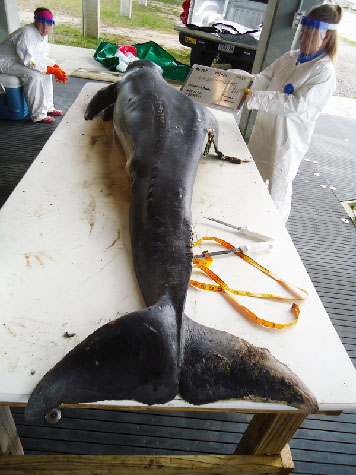
Dolphin carcass.
January 2012: The carcass of Y12, one of the Barataria Bay dolphins closely studied by NRDA researchers, was recovered on Grand Isle Beach, January 31, 2012. The visible ribs, prominent vertebral processes, and depressions along the back are signs of extreme emaciation. A necropsy was performed and samples were collected to help determine cause of death and potential contributing factors. (NOAA)

Since February 2010, more than 675 dolphins have stranded in the northern Gulf of Mexico (Franklin County, Florida, to the Louisiana/Texas border)—a much higher rate than the usual average of 74 dolphins per year, prompting NOAA to declare an Unusual Mortality Event (UME) and investigate the cause of death for as many of the dolphins as possible.

The vast majority of stranded dolphins have been found dead; however, 33 have stranded alive and seven have been taken to facilities for rehabilitation.

In the spring, it is typical to see some newborn, fetal, and stillborn dolphins strand, and there has been an increase in strandings of this younger age class during this UME in 2010 and 2011. Yet all age classes continue to strand at high levels. NOAA is working with a team of marine mammal health experts to investigate the factors that may be contributing to the dolphin mortalities.

Gulf Seafood Safety

Since the 2010 oil spill, the Food and Drug Administration, NOAA, and the Gulf Coast states have used an agreed-upon protocol to test seafood and ensure that it is free of harmful oil and dispersant residues. NOAA opened federal waters to fishing after extensive testing, and the Gulf states continue to use the protocol to routinely test finfish and shellfish to ensure all seafood reaching the consumer is safe.

Some waters in the northern Barataria Basin, a larger area that includes Barataria Bay, remain closed to commercial fishing, as visible oil is still present along the shoreline where the closures are in place. The joint protocol directs seafood safety testing to begin only after visible oil is gone.

NOAA and its state and federal partners are researching multiple ways Gulf dolphins may have been exposed to oil, including through ingestion, inhalation, or externally. Dolphins could have routinely ingested oil from sediments or water while feeding or by eating whole fish, including internal organs and fluids such as liver and bile, which can harbor chemical contaminants. These are not likely routes of exposure for most people.

Read more about the Gulf dolphins.

Useful Links
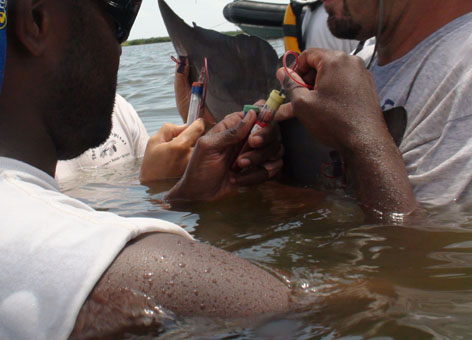
Veterinarians collect samples from a Barataria Bay dolphin.
August 2011: Veterinarians collect samples from a Barataria Bay dolphin. (NOAA)
Node Weight: 
2

More Than Two Decades Later, Have Killer Whales Recovered from the Exxon Valdez Oil Spill?

Short title: 
Have Killer Whales Recovered from the Exxon Valdez Oil Spill?

MARCH 23, 2012 — Does a killer whale instinctively know how to avoid oil spilled on the surface of its watery home? At the time of the Exxon Valdez oil spill 23 years ago, scientists and oil spill experts presumed that the answer was "yes."

They thought marine mammals were "smart" enough to steer clear of spilled oil, which possibly could harm their skin and eyes or irritate their lungs with hazardous vapors.

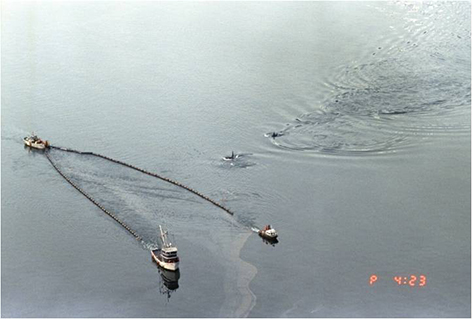
Yet, within 24 hours of the tanker Exxon Valdez grounding on Bligh Reef, killer whales were photographed swimming through iridescent slicks of oil in Prince William Sound, Alaska. No one was quite sure then how this exposure to oil might affect the health of killer whales living there.

For most oil spills, we don’t know how well individual species were faring before oil invaded their habitats, complicating our ability to understand health impacts after a spill. This time, however, was different.

"Orcas (killer whales) have been particularly interesting because they have been so well studied and are one of the few critters for which pre-spill information was available," NOAA biologist Gary Shigenaka says of the 1989 Exxon Valdez spill, which he has worked on extensively.

The two killer whale pods unlucky enough to swim in or near Exxon Valdez oil were from two different eco-types of killer whales, known as "resident" and "transient." Eco-types differ in several aspects of morphology (shape and structure), ecology, behavior, and genetics. For example, resident whales primarily feed on fish while transient killer whales feed on marine mammals.

Since the 1989 oil spill, scientists have followed closely the killer whale populations of Southeast Alaska. They have examined both the two pods of whales exposed to the oil in Prince William Sound as well as the other resident and transient pods which were not in the oiled areas at the time. The differences are stark.

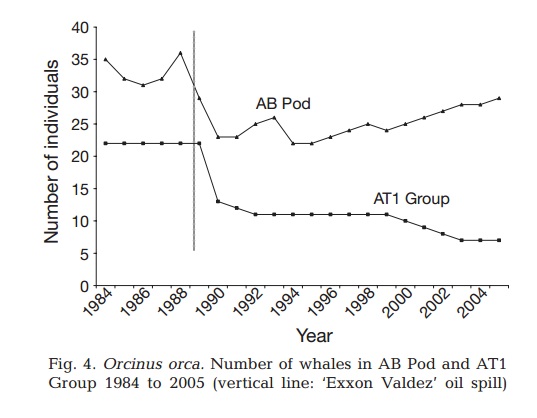
In the year and a half after the Exxon Valdez spill, both groups of killer whales swimming through Prince William Sound at the time experienced an unprecedented high number of deaths. The pod of resident killer whales lost 33% and the pod of transients 41% of their populations, according to a 2008 study by researcher Craig Matkin [PDF]. In general, killer whales tend to have very stable populations, usually losing only very young or very old whales when they lose any.

But in this case, the pods were losing a number of immature whales and breeding females as well. Missing these key members, the populations in the oiled areas were slow to bounce back, if they bounced at all. One pod of resident killer whales still hasn't reached its pre-spill numbers, while the oil-exposed transient pod’s numbers have dropped so much that NOAA's National Marine Fisheries Service has listed them as a "depleted stock" under the Marine Mammal Protection Act. Meanwhile, the other killer whale populations in Southeast Alaska have been growing since the mid-1980s.

Graph of killer whale populations exposed to oil after the Exxon Valdez spill.
Population trends in killer whales before and after the Exxon Valdez oil spill: AB Pod is the group of resident whales while AT1 is the transient group exposed to oil in Prince William Sound. Courtesy of Craig Matkin.

Still, because researchers were unable to examine either live or most of the dead whales after the spill (and thus confirm oil-related injuries), any direct link between the spill and killer whale health has been circumstantial. Even so, Shigenaka personally believes that this indirect evidence "stands the test of time."

The crux of it lies in the fact that two pods of very different killer whale groups crashed suddenly and simultaneously after only one obvious disturbance to their environment—the Exxon Valdez oil spill.

Fast forward 21 years to April 2010 in the Gulf of Mexico. Taking these lessons about killer whales and oil from the Exxon Valdez, NOAA's Office of Response and Restoration quickly partnered up with the NOAA Fisheries Service to do reconnaissance during the Deepwater Horizon/BP oil spill, especially in oiled areas. Twenty-one species of marine mammals live in the Gulf, and bottlenose dolphins in particular potentially could be suffering some significant impacts from this spill.

Since February 2010 (before the oil spill), nearly 700 bottlenose dolphins and other species of cetaceans (dolphins and whales) in the Northern Gulf of Mexico have been stranded. These marine mammals are experiencing what’s known as an "unusual mortality event," defined as "a stranding that is unexpected, involves a significant die-off of any marine mammal population, and demands immediate response." Federal and state agencies have been investigating this large die-off and any possible connections to its overlap with the Deepwater Horizon/BP oil spill.

These investigations are ongoing and the possible role of infection in these dolphins adds a twist that leaves us with plenty of questions still to answer. Nevertheless, every piece of information we learn helps create a fuller picture of how oil spills affect marine mammals, whether we’re looking at killer whales in Prince William Sound or bottlenose dolphins in the Gulf of Mexico.

For more information on killer whales and the Exxon Valdez oil spill, check out:

Matkin, C.O., Saulitis, E.L., Ellis, G.M., Olesiuk, P., Rice, S.D. 2008. Ongoing population-level impacts on killer whales Orcinus orca following the 'Exxon Valdez' oil spill in Prince William Sound, Alaska. Marine Ecology Progress Series, 356:269-281.

Loughlin, T. R. Ed. Marine Mammals and the Exxon Valdez. Academic Press, San Diego, 1994.

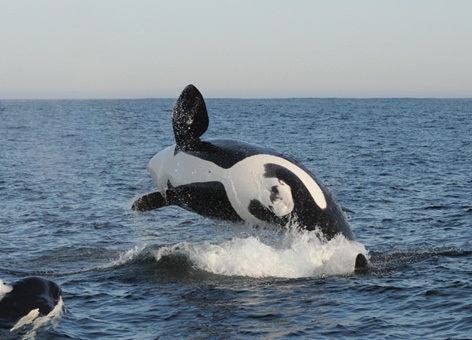
Orca breaching.
Killer whale breaching (NOAA Marine Operations Center).
Killer whales swimming alongside skimmers from the Exxon Valdez oil spill.
Killer whales swimming in Prince William Sound alongside boats skimming oil from the Exxon Valdez oil spill (State of Alaska, Dan Lawn).
Node Weight: 
5

Solid Returns: NOAA Prepares for Future Oil Spills in the Arctic

Short title: 
NOAA Prepares for Future Oil Spills in the Arctic

MARCH 20, 2012 -- In recent years, NOAA's Office of Response and Restoration (OR&R) has turned its focus to the remote Arctic region of Alaska due to proposals to increase oil and gas exploration and production there.

The environment above the Yukon River and beyond the vast Brooks Range is warming rapidly. Scientists estimate that by 2020-2030, the Arctic Ocean will be free of multi-year ice in the summer, increasing opportunities for maritime transportation, tourism, and oil and gas exploration.

The likelihood of hazards will also increase as access to Arctic oil reserves becomes easier.

Shoreline erosion and the long-term effects of climate change will also affect the stability and safety of communities in the Arctic region. Oil pipelines and other infrastructure located in permafrost will become less stable, also increasing the risk of spills. The potential expense—in terms of damage to fisheries, to wildlife, and to the formerly pristine environment—could be staggering.

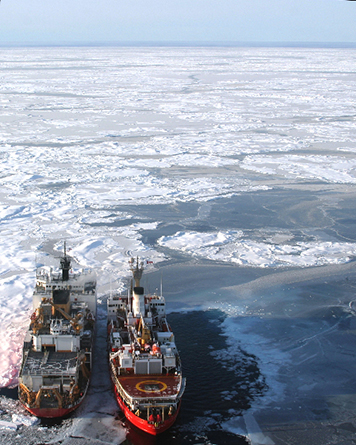
Coast Guard Icebreaker Healey in Arctic waters.
(U.S. Geological Survey)

"The Arctic's remoteness, its gale-force winds, lengthy periods of darkness, and lack of infrastructure combine to make any efforts to manage its resources and protect the environment extra challenging," says Fran Ulmer, chair of the U.S. Arctic Research Commission. "It's essential that we develop the right technologies and techniques to reduce risk and proceed cautiously in the largest expanse of wilderness currently under our care."

For this reason, OR&R is working with the oil and gas industry, international governments, the University of Alaska, University of New Hampshire, University of Rhode Island, and the Prince William Sound Oil Spill Recovery Institute to understand and prepare for any future spills in the Arctic.

The stakes are high, says Margaret Williams, managing director for the World Wildlife Fund-US Arctic Program. "The Exxon Valdez spill has been the best studied oil spill in history and scientists have found that even 20 years later, the damage from the spill continues," she says. "Fishermen's livelihoods were destroyed, many wildlife and fish populations still haven't recovered, and the Alaskan economy lost billions of dollars."

"We have a slogan, 'Our role is stewardship, our product is science,' that pretty much explains what OR&R is doing in the Arctic and elsewhere," says John Whitney, NOAA Scientific Support Coordinator for Alaska. "We take our work seriously, regardless of the size or severity of the spill, and the results speak for themselves."

Find out more about our office's work in the Arctic, from oil spill preparedness to marine debris removal, at http://response.restoration.noaa.gov/arctic.


For more information on how this office helps protect and revitalize economic interests through environmental response and restoration, read the first part of this series, Solid Returns: Response and Restoration Efforts Create Big Economic Benefits to Coastal Communities.

Polar bear on sea ice.
(NOAA)
Node Weight: 
4

Restoration to Begin after 2007 Oil Spill in San Francisco Bay

Short title: 
Restoration to Begin after 2007 Oil Spill in San Francisco Bay

MARCH 16, 2012 -- In September 2011, NOAA and our partners reached a settlement for the 2007 M/V Cosco Busan oil spill, which dumped 53,000 gallons of oil into San Francisco Bay. Now, we are ready to start restoring the habitat and other natural resources that were affected by the spill.

After the settlement was reached, we asked for public comment on our restoration plan. We—along with our federal and state partners—revised the plan based on those comments. Now, we have a final restoration plan in hand and are ready to get to work.

The oil killed thousands of birds, impacted San Francisco Bay's 2008 herring spawn, oiled thousands of acres of shoreline habitat, and closed the Bay and area beaches to recreation and fishing. More than $32 million of the settlement funds will go toward restoration projects to address these impacts.

The projects include:

  • Habitat improvements at Muir Beach, Albany Beach, Aramburu Island, and South Bay Salt Ponds;
  • Creation and improvement of bird roosting and nesting habitat on the Berkeley Pier, Tule Lake, Farallon Islands, and South Bay Salt Ponds;
  • Eelgrass and oyster bed restoration at multiple sites around the Bay; and
  • Recreational use improvements throughout the spill area.

You can read the full Final Damage Assessment and Restoration Plan [PDF] for this spill, as well as the press release [PDF] outlining the plan.

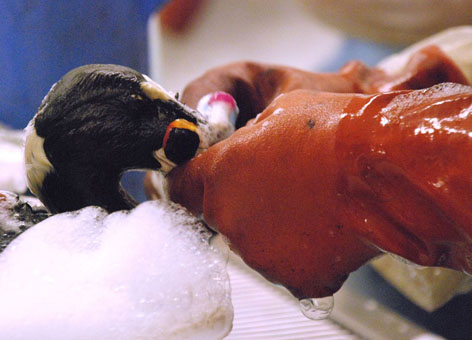
Bird being washed.
Specially trained volunteers clean birds during the Cosco Busan oil spill response in 2007. (California Dept. Fish and Game, D. Hamilton)
Node Weight: 
3

A Massive Watershed Fix for the Delaware River

Short title: 
A Massive Watershed Fix for the Delaware River

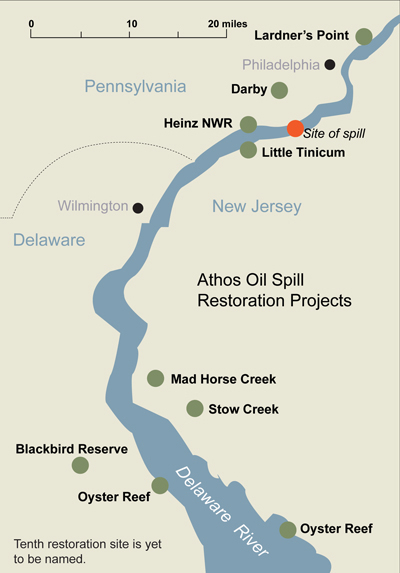
UPDATED NOV. 12, 2014, POSTED MARCH 12, 2012 — In addition to the cleanup of the 2004 Athos I oil spill, 10 restoration projects that will improve the environment and economy around the Delaware River watershed are in various stages of design, implementation, and monitoring.

  • Shoreline Restoration, Lardner's Point (PA) Ecological Benefits: Restored habitat for fish, birds, and mammals Economic Benefits: Wildlife viewing; fishing; open space
  • Dam Removals and Stream Habitat Restoration, Darby Creek (PA) Ecological Benefits: Fish and wildlife habitat improvements Economic Benefits: Fishing; outdoor education; flood protection; boost to local economy during construction
  • Freshwater Tidal Wetland Restoration, John Heinz National Wildlife Refuge (PA) Ecological Benefits: Restored tidal exchange; enhanced wildlife habitat Economic Benefits: Recreational boating; education; wildlife viewing
  • Map of Athos oil spill restoration projects on the Delaware River.
  • Trail Improvements, Little Tinicum Island (PA) Ecological Benefits: Preserving area from erosion Economic Benefits: Wildlife viewing; fishing; hiking; outdoor education
  • Marsh, Meadow, and Grassland Restoration, Mad Horse Creek Wildlife Management Area (NJ) Ecological Benefits: Feeding, roosting and nesting habitat for birds Economic Benefits: Wildlife viewing; hunting; boost to local economy during construction
  • Boat Ramp Restoration, Stow Creek (NJ) Economic Benefits: Safer conditions for boaters; hunting; fishing
  • Blackbird Reserve Wildlife Area (DE) Ecological benefits: Resting and foraging areas for migratory geese Economic benefits: Hunting; wildlife viewing; preservation of open space
  • Oyster Reef Creation (DE, NJ) Ecological Benefits: Habitat for oysters and other reef dwellers; improved water quality Economic Benefit: Boost to local economy during reef-building
  • Rock Jetty Restoration, Augustine (DE) After further extensive evaluation of changing site conditions, the Delaware Division of Fish and Wildlife has determined that this project is no longer feasible and the process to select a new project is underway.  

For more information on restoration, as well as response activities, along the Delaware River in the wake of the Athos I oil spill, read the first part of this series, Solid Returns: Response and Restoration Efforts Create Big Economic Benefits to Coastal Communities and check out response.restoration.noaa.gov/athos and the Athos Natural Resource Damage Assessment case page.

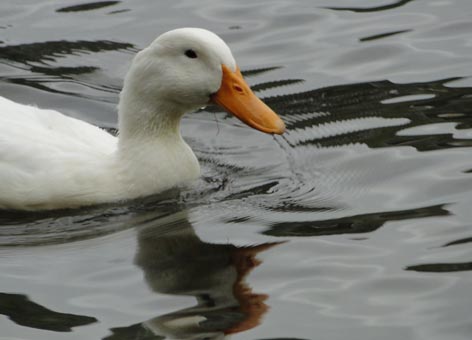
Duck on the Delaware River.
Site Themes: 
Node Weight: 
2

One Year Later: Aftermath and Debris of the Japan Tsunami

Short title: 
One year later: Aftermath and Debris of the Japan Tsunami

MARCH 9, 2012 -- On March 11, one year will have passed since Japan suffered one of the worst natural disasters and human tragedies in its history. The 9.0 earthquake and the tsunami that followed claimed nearly 16,000 lives, injured 6,000 more, and damaged or destroyed countless buildings.

The Japanese people are remarkably resilient. The strides they've made in one year to rebuild their nation are a testament to their strength and ability to band together in a crisis, even though the sense of loss is not gone.

Here at NOAA, we're preparing for a different kind of aftermath from the disaster: the possibility that debris washed into the sea by the tsunami could arrive on shores in Alaska, Hawaii, the West Coast, and Canada over the next few years. While our situation pales in comparison to what the Japanese experienced, NOAA and its partners have taken action to assess and prepare for any impacts.

Facts and Misconceptions

Public buzz about this debris has grown stronger over the past few months, and people are understandably concerned. Where will it go? How much is it, and what is it? What will happen to the beaches, and who is going to clean it up?

Here is what we know: It will not arrive in a large "mass," clumped together in a 25-million ton flotilla, as shock-value news headlines have indicated in recent weeks. That image is dramatic, but unrealistic. At this point, there is no scientific estimate of how much debris the tsunami washed into the sea or how much is still floating.

We also know it is highly unlikely any debris is radioactive, and -- while gut-wrenching to imagine -- there is almost zero chance human remains from Japan will arrive with it. Our coasts are national treasures, and the public should continue to visit them and help us keep them clean. Of course, we urge caution and awareness, especially for boaters, but there's no reason to fear the shore.

What to Expect

So where is the debris? From NOAA's experiences with other natural disasters, we believe quite a bit of debris sank off Japan's coast. Satellites that observed "debris fields" in the days following the tsunami lost sight of those fields after one month. What debris did float away has dispersed far across the Pacific Ocean, to the point where our partners in planes and vessels are reporting very few sightings.

To predict where the debris will go, NOAA and independent researchers modeled its path using historical ocean conditions. Those models gave us a rough idea of when and where we can reasonably expect debris items (that make it across the Pacific) to show up. It is likely that beachgoers on the West Coast and Alaska will start noticing a gradual increase in marine debris items near-shore or on the beaches in 2013. Those on the main Hawaiian Islands might start noticing an increase closer to 2014.

These are just predictions and should not be taken as the end-all of what will actually happen.

Consider this: the Pacific Ocean is enormous -- it covers one-third of the Earth's surface -- and its currents and winds are constantly changing. Any debris still floating in the water has been at the mercy of one year of storms and weathering. Items will sink, break up, and scatter far across the ocean, or they could get pulled into existing garbage patches. Models do not take this into account, and we have no way of knowing how an individual piece of debris will behave.

While it's impossible to tell exactly what will make it across, it will likely be items that float easily: buoys and other fishing gear, plastics and cans, barrels and drums, lumber, or even appliances. Boats are also a possibility. These items can impact navigation, ensnare animals, damage precious reefs, and litter the beaches.

Dealing with Debris

Given all the uncertainties, the NOAA Marine Debris Program and our federal, state, and local partners have been preparing contingency plans for the past several months to protect our natural resources. These plans will help guide local responses in case we need to remove large, hazardous, or unmanageable items.

We also reached out to the Japanese government, which has done a considerable amount of work to track this debris, even while dealing with incredible tragedy and nation rebuilding. If items from the tsunami do wash ashore, we ask people to remember that they represent loss. Any pieces that can be clearly traced back to an owner should be reported to a Japan consulate, so that they might be returned. (Check out what else the NOAA Marine Debris Program has been doing to monitor and prepare for the debris.)

In recent weeks, beachcombers have caught sight of buoys and other items washing up on the West Coast, Canada, and Alaskan shores. Although models suggest most of the debris won't show up until sometime next year, NOAA is not ruling anything out. It is possible for highly buoyant debris to catch wind and arrive ahead of expectations.

The truth is, what now floats our way is part of a larger problem. Marine debris, even buoys and other debris from Asia, persists in many of our coastal communities every day, and that's why it's hard to tell if any one item came directly from the tsunami.

Help Wanted: Beachcombers and Monitors

No matter where it comes from, we should all take comfort in this: debris is -- for the most part -- removable and preventable.

If you see small debris, pick it up and examine it. Items that have no identifying markers should be disposed of properly, but if it belongs to someone, alert a local authority. You can also report large volumes of debris or items that clearly came from Japan to DisasterDebris@noaa.gov. There are other easy ways to help: join a beach cleanup or recommit yourself to recycling.

Some items should be left to the authorities. We urge beach cleaners not to touch anything that appears hazardous or too large to move safely. Report it, and it will likely be dealt with by local emergency responders.

This is a challenging situation, to be sure, and it will take everyone working together to address it. But if we remain aware and take action, we can reduce the impact marine debris has on our environment now and in the future -- whatever it may bring.

NOAA needs beach monitors to help us survey the shores for baseline marine debris data. That way, if more debris starts appearing, we'll know the leading edge of the tsunami debris may have arrived. You can request NOAA Marine Debris Program protocols at MD.monitoring@noaa.gov.

Early floating debris fields from the Japan tsunami.
March 13, 2011 -- Debris off the coast of Japan after the tsunami. Debris fields such as these are no longer visible. (U.S. Navy, Mass Communication Specialist 3rd Class Dylan McCord)
Node Weight: 
4

Solid Returns: Response and Restoration Efforts Create Big Economic Benefits to Coastal Communities

Short title: 
Solid Returns: Response and Restoration Efforts Create Big Economic Benefits to Coastal Communities

MARCH 7, 2012 — Shortly after midnight on July 23, 2008, the tanker Tintomara collided with a tug and the barge it was transporting, near downtown New Orleans. The collision resulted in a spill of more than 9,000 barrels (380,000 gallons) of fuel oil near the mouth of the Mississippi River.

Within hours, NOAA's Office of Response and Restoration (OR&R) workers were on the scene, joining members of the U.S. Coast Guard and field staff from the State of Louisiana in efforts to contain the spill and limit the possible harm to humans and the environment.

To curtail the damage from spilled oil, the Mississippi River from New Orleans to the Gulf of Mexico was closed to vessel traffic, and water supplies to four parishes were temporarily halted. Without such immediate attention, the spill could have closed commercial fisheries, severely degraded wildlife habitats, and destroyed recreational opportunities — causing damages estimated in the millions of dollars.

"Among other things, it was our collective responsibility to ensure that the Mississippi River would remain open to commercial vessel traffic," NOAA oil spill expert Charlie Henry recalls. "As it turned out, the river was closed for only one day, followed by a few days of partial closures. Economists have estimated that a closure of the river could cost from $300 million to $700 million per day, depending on the level of commercial activity," he says.

Oil spills affect our natural resources in a variety of ways. They can directly impact our natural resources through, for example, the oiling of seabirds and marine mammals. They can diminish the ecological services provided by coastal and marine ecosystems, damaging or destroying critical nursery habitat for shrimp, juvenile salmon, and other wildlife. And they can affect how we use natural resources, limiting fishing, boating, beach-going, and wildlife viewing activities.

OR&R plays a pivotal role in ensuring that any such negative effects have been addressed, not only while a spill is occurring but also in the months after a spill has been contained. A large part of OR&R's mission is to guarantee that any losses are adequately compensated for. In the instance of the M/T Athos I oil spill on the Delaware River — an event that, in 2004, fouled 3,600 acres of shoreline and affected nearly 12,000 birds — the cost of restoring habitats was established at $27.5 million. With funds collected from the Athos I's owner, OR&R, along with state and federal partners, is now actively engaged in efforts to restore affected areas within the Delaware River watershed. These projects will benefit coastal communities and economies by improving habitat, providing green jobs during construction and creating new opportunities to enjoy the river and its wildlife.

"We try to take actions that reduce the impacts from a spill and that allow a more rapid recovery," says Tom Brosnan, environmental scientist and communications manager with OR&R. "We provide scientific expertise to various cleanup agencies before, during and after spills," he explains. "Once we've conducted injury studies in the field and the lab, we work with experts in NOAA's Restoration Center to choose the type and amount of restoration needed to offset any losses. Then, we work with our attorneys in the Office of General Counsel to require that responsible parties implement restoration projects or pay us to implement the restoration."

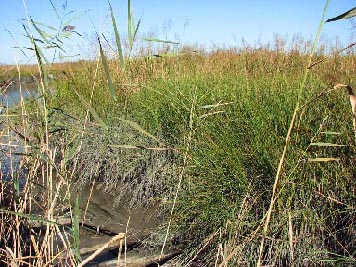
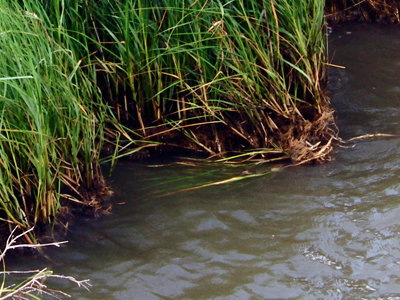
Marshland along the Delaware River.
Marshland typical of the habitat damaged by the Athos I spill on the Delaware River. (NOAA)

The Tintomara and Athos I incidents were not unique for OR&R. This NOAA office exists as a center of expertise in preparing for, evaluating, and responding to threats to coastal environments, including oil and chemical spills, releases from hazardous waste sites, and marine debris. Since its creation in the 1990s, it has protected natural resources at more than 500 hazardous waste sites and responded to thousands of spills.

Through its diligence and countless hours of hard work, OR&R has recovered nearly $600 million for restoration of marshes, shorelines, oyster reefs, and other habitats that wildlife, fish, and people depend upon. Such projects also benefit coastal communities and economies by providing green construction jobs and creating new opportunities for outdoor recreation.

"It's the intent of the law to bring affected waters and damaged or destroyed trust resources, including habitats, back to their pre-injured conditions," says Perry Gayaldo, Deputy Chief of NOAA's Restoration Center. "But, whenever possible, we strive to go beyond that. Through our Community Based Restoration Program, we can look across the damaged landscape and target opportunities for enhancing certain features for public benefit. Working with environmental groups, the oil and gas industry, and partners like Ducks Unlimited, we've incorporated features for hunting, fishing, bird watching, boating, and other popular activities."

When an injury occurs, the majority of the costs of restoration are not on the taxpayers' shoulders, according to Gayaldo. Indeed, through such strategic partnerships with non-governmental organizations, tribes and local governments, the returns can be two to five times that of initial federal investments. In the United States, hunting and fishing industries are valued at approximately $80 billion per year. Thus, an investment in coastal restoration can significantly boost both regional and national economies, making NOAA a major force in shaping the future of our country.

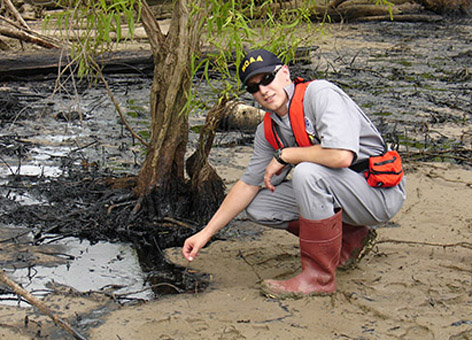
NOAA responder assessing oiling on shoreline.
After the tanker Tintomara collision, a NOAA responder evaluates the level of oiling along the shores of the Mississippi River. (NOAA)
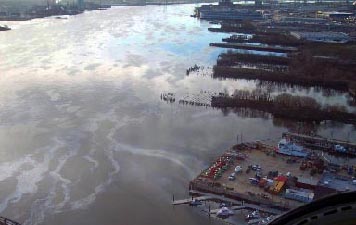
A sheen of oil on the Delaware River.
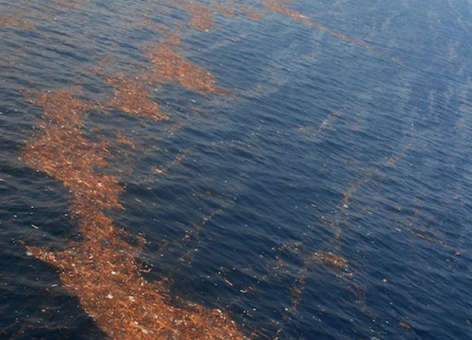
A sheen of oil on the Delaware River is visible after the tanker Athos I began leaking oil in November 2004. (NOAA)
Node Weight: 
5

Restoration Planning to Begin for 2010 Kalamazoo River Oil Spill

Short title: 
Restoration Planning to Begin for 2010 Kalamazoo River Oil Spill

MARCH 2, 2012 — NOAA and other agencies acting as natural resource trustees are announcing their official notice of intent to conduct restoration planning to address the impacts from a 2010 oil spill into Talmadge Creek and the Kalamazoo River.

After a 30-inch diameter pipeline owned by Enbridge Energy failed, approximately 819,000 gallons of crude oil were released into a tributary creek of the Kalamazoo River in southern Michigan. Oil traveled approximately 40 miles down the Kalamazoo River.

The discharged oil injured aquatic organisms, birds, wildlife, and habitat, while also impacting recreational use of the river. NOAA along with other agencies will evaluate these environmental injuries to determine the amount of restoration needed as a part of the Natural Resource Damage Assessment process. This process is used by federal, state, and tribal governments to jointly seek compensation on behalf of the public for natural resources injured or destroyed when areas become contaminated with oil or other hazardous substances.

This includes identifying restoration projects that benefit the same or similar natural resources that were injured by the spill. During the process, the public will have multiple opportunities to comment on proposed restoration activities.

For a closer look at how NOAA scientists are investigating the environmental impacts of this oil spill, read a post on our Response and Restoration Blog.

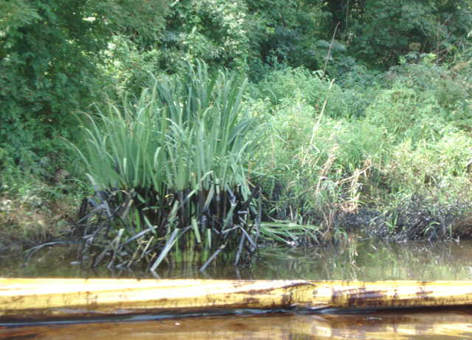
Oiled river vegetation with containment boom.
Because of flooding at the time of the spill, oil was later left behind on river vegetation and overhanging tree branches, as well as in yards and forested floodplains. Yellow containment boom is in the foreground. (Gene Suuppi, State of Michigan)
Node Weight: 
3

BSEE and NOAA to Complete Arctic Oil Spill Response Mapping Tool

Short title: 
BSEE and NOAA to Complete Arctic Oil Spill Response Mapping Tool

February 7, 2012

FOR IMMEDIATE RELEASE Contact: Nicholas Pardi, BSEE, 202-208-3985 Ben Sherman, NOAA, 301-713-3066 The Bureau of Safety and Environmental Enforcement (BSEE) and the National Oceanic and Atmospheric Administration (NOAA) announced today they are partnering to enhance the Environmental Response Management Application (ERMA®) for the Arctic region by summer 2012. ERMA is the same interactive online mapping tool used by federal responders during the Deepwater Horizon oil spill. This effort will help address numerous challenges in the Arctic where increasing ship traffic and proposed energy development are increasing the risk of oil spills and chemical releases. "Launching this tool for responders, media and the public during the Deepwater Horizon oil spill was a groundbreaking technical achievement and one of the most significant contributions NOAA provided to the historic, large-scale response," said Monica Medina, NOAA principal deputy under secretary for oceans and atmosphere. "Reconfiguring this application to meet the needs of responders in the remote marine Arctic environment could prove to be the most critical tool in effectively preparing for, responding to, and mitigating situations where limited assets, personnel and facilities exist. We appreciate the Department of the Interior’s willingness to support us in this important effort." "This emergency response tool was invaluable when managing the Deepwater Horizon response," said BSEE Director James A. Watson, who served as the federal on-scene coordinator for the U.S. Coast Guard during the disaster. "Adding this tool to the Arctic region would provide a tremendous boost to the current oil spill response capabilities there. We are very pleased to work with NOAA to provide this enhanced capability to those involved in planning and response activities." In developing this project for the Arctic, NOAA, with support from BSEE, will work with state, local and indigenous communities as well as academia and industry to share information on how ERMA can best support an emergency response and protect the region’s unique lifestyle and resources. ERMA will bring together all of the available information needed for an effective emergency response in the Arctic. In an emergency situation, ERMA is equipped with near real-time oceanographic observations and weather data from NOAA, and critical information from BSEE and numerous other federal and state response agencies. Responders can further customize the tool with environmental, logistical, and operational data such as fishery closure areas, resources at risk maps, and mariner notices, depending on the need. ERMA integrates and synthesizes real-time and static data into a single interactive map, providing a quick visualization of the situation and improving communication and coordination among responders and environmental stakeholders. NOAA originally began developing Arctic ERMA to address escalating energy exploration and transportation activity in the region combined with the emerging risk of spills and other accidents. BSEE is partnering with NOAA to complete the project, with the goal of having the tool available to the response community ahead of any future drilling in federal waters offshore Alaska. When operational, Arctic ERMA will contain information such as the extent and concentration of sea ice, locations of ports and pipelines, and vulnerable environmental resources for spill responders to make rapid, science-informed response decisions. The Gulf ERMA was developed through a joint partnership between NOAA and the University of New Hampshire's Coastal Response Research Center. The Gulf ERMA was designed by NOAA's Office of Response and Restoration, the University of New Hampshire, and the U.S. Environmental Protection Agency. Since 2007, NOAA and the University of New Hampshire's Coastal Response Research Center have worked with hazardous material response agencies and partners throughout the United States to develop, test, and refine the ERMA application to meet the needs of various regions. ERMA sites are also in developmental or testing phases for New England, the Caribbean, Pacific Islands, and Pacific Northwest. The public can view the tool online, which currently covers the Gulf of Mexico region, by visiting http://gomex.erma.noaa.gov/erma.html. Today's announcement is part of the ongoing efforts of the Interagency Working Group on Coordination of Domestic Energy Development and Permitting in Alaska, which was established by President Obama in July 2011. Chaired by Department of the Interior Deputy Secretary David J. Hayes, the working group coordinates the efforts of federal agencies responsible for overseeing the safe and responsible development of onshore and offshore energy in Alaska. The group's goal is to improve the federal government's efficiency, ensuring that resource development projects in Alaska comply with health, safety, and environmental protection standards while reducing our dependence on foreign oil. For more information, go to http://www.doi.gov/alaskaenergy.

Node Weight: 
3

Investigating Environmental Impacts of the Kalamazoo River Oil Spill

Short title: 
Environmental Impacts of the Kalamazoo River Oil Spill

FEB. 13, 2012 — On July 26, 2010, an underground pipeline in southern Michigan ruptured, eventually leaking oil approximately forty* miles down the Kalamazoo River. Since then, NOAA's Office of Response and Restoration has been investigating the environmental impacts from this spill.

Along with NOAA, the U. S. Fish and Wildlife Service, the State of Michigan, and the Huron Band and Gun Lake Tribe of the Potawatomi have joined together as trustees to determine damages to natural resources that this spill caused.

The leaking pipeline, owned by Enbridge Energy, released more than 800,000 gallons of crude oil into wetlands near Marshall, Mich., and later into the Kalamazoo River.

The flooded river left oil stranded on overhanging branches and in floodplains, which are host to forests, wetlands, and sensitive seasonal ponds. These ponds provide valuable habitat for fish and aquatic invertebrates at the base of the food chain.

We've conducted a variety of studies to collect information on the impacts of the spill (such as how far the oil extended into the floodplain and what it contacted while there) and repeated some of the studies to see how the environment is recovering. We're gathering all this data for the official damage assessment.

We've examined samples of fish, mussels, water, and sediments for evidence of oil-related chemicals. We'll analyze our observations of oiled vegetation and the number and condition of animals brought to the wildlife rehab center.

Unfortunately, cleanup-related activities have an environmental impact too. For example, extra boat traffic on the river during cleanup led to some riverbank erosion and crushed freshwater mussels. Our studies include these factors too. We'll also look into the effect the spill had on public recreation (the river has been closed to the public since the spill) and on tribal cultural uses.

Soon, we and the other natural resource trustees will seek out restoration projects that address the impacts of the spill, being careful to balance the projects with the results of our studies. We'll take project ideas from the public and from watershed organizations to make sure that we choose projects that fit in well with other restoration work being done across the broader Kalamazoo River watershed.

Enbridge, as the owner of the pipeline, will have the option to implement the projects themselves with oversight from us trustees, or could pay for the cost of these projects as part of a larger legal settlement.

*Correction: This originally stated that the oil flowed thirty miles down the Kalamazoo River.

Posted sign closing river activity due to oil spill response.
The Kalamazoo River has been closed to the public since the spill in 2010. The natural resource trustees are examining the effect the spill had on public recreation and on tribal cultural uses. (Terry Heatlie, NOAA)
Node Weight: 
4

Deepwater Horizon Natural Resource Trustees Call for Public Input on Early Restoration of the Gulf

Short title: 
Give Input on Early Restoration of the Gulf of Mexico

JAN. 23, 2012 — When a disaster occurs and NOAA begins assessing damage to natural resources, early restoration is a method used to get natural resources back to normal faster.

It can be implemented prior to the completion of the damage assessment process, which is important because this process is complex and can sometimes last many years.

For the Deepwater Horizon/BP oil spill, BP provided an unprecedented $1 billion for early restoration. This represents an initial step toward fulfilling the company's obligation to fund the complete restoration of natural resources impacted by the spill. It is an opportunity to help restoration get started sooner.

Examples of the types of projects that might be funded include:

  • Rebuilding coastal marshes.
  • Replenishing damaged beaches.
  • Improving human use of resources.
  • Conserving sensitive areas of ocean habitat for impacted wildlife.
  • Restoring barrier islands and wetlands.

Your input on this plan is important so that we can begin restoration of Gulf of Mexico resources injured by the Deepwater Horizon/BP oil spill. A 60-day public comment period will be open from Dec. 15, 2011 to Feb. 14, 2012. You can comment on the plan online or at one of the public meetings being held throughout the Gulf and in Washington, DC. The Final Plan will also be made available for public comment.

The trustees considered projects based on criteria laid out in federal and state regulations and in the agreement with BP. A series of draft early restoration plans will be developed outlining projects agreed to by the trustees and BP to be presented for public input. These draft plans will be finalized to ultimately form a Final Early Restoration Plan.

To read the draft restoration plans and submit a comment on them, please visit NOAA's Gulf Spill Restoration website.

The long-term damage assessment will continue while early restoration planning is under way. BP and the other responsible parties ultimately will be obligated to compensate the public for the entire injury and all costs of the natural resource damage assessment.

Photo: Oiled Louisiana marsh.
Louisiana marsh that was exposed to oil from the 2010 Deepwater Horizon/BP oil spill. (NOAA)
Node Weight: 
3

Supporting the Winter Fuel Delivery to Nome, Alaska

Short title: 
Supporting the Winter Fuel Delivery to Nome, Alaska

JANUARY 23, 2012 -- After an expedition lasting several weeks, the U.S. Coast Guard successfully escorted the delivery of 1.3 million gallons of fuel to Nome, Alaska.

The city of Nome was running short of fuel after a severe storm last fall left the port icebound, preventing regular fuel barges from reaching the area.

This led to the unusual winter delivery to resupply the remote community. The Office of Response and Restoration worked with the Coast Guard during these efforts.

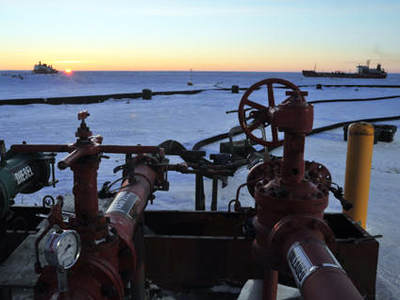
At times the Coast Guard icebreaker Healy and the Russian tanker Renda barely crept along in their journey to Nome, breaking through hundreds of miles of thick sea ice along the way.

Finally, however, the vessels safely reached their destination, completing the fuel delivery on January 19, 2012. Nome is located on the northern edge of the Bering Sea, along the far western corner of the state.

Once the ships reached Nome, the tanker was deliberately frozen in place during the fuel transfer. Two parallel hoses stretched more than 500 yards across the ice between the tanker and the onshore storage tanks near the harbor. One hose carried gasoline and the other carried diesel fuel. The pumping operation lasted approximately 60 hours.

With the successful fuel transfer, the Office of Response and Restoration has concluded our support for planning in the event of a spill, but NOAA continues to provide weather and ice information to assist with the vessels' outbound transit through the ice-pack.

Read an earlier account of the ships' journey on the Office of Response and Restoration blog.

Photo: Fuel being delivered to the city of Nome, Alaska, from a tanker.
Fuel being delivered to the city of Nome, Alaska, the week of January 19, 2012, from the Russian tanker Renda. (USCG)
Node Weight: 
4

Tracking Marine Debris from the Japanese Tsunami

Short title: 
Tracking Marine Debris from the Japanese Tsunami

UPDATE (APRIL 30, 2012): Updated NOAA models show that some very buoyant items of debris from the tsunami are already arriving on the U.S. and Canadian West Coast. Read more about two such sports balls that crossed the Pacific Ocean to Alaska are finding their way back to their Japanese owners.

JANUARY 23, 2012 — Debris from the tsunami that devastated Japan in March could reach the United States as early as this winter, according to predictions by NOAA scientists.

However, they warn there is still a large amount of uncertainty over exactly what is still floating, where it's located, where it will go, and when it will arrive.

Responders now have a challenging, if not impossible situation on their hands: How do you deal with debris that could now impact U.S. shores, but is difficult to find?

Federal Agencies Join Forces

To learn more about the tsunami debris, NOAA researchers have been working with the U.S. Environmental Protection Agency, U.S. Fish and Wildlife Service, and other partners to coordinate data collection activities.

NOAA and its partners are also coordinating an interagency assessment and response plan to address the wide-range of potential scenarios and threats posed by the debris.

"We're preparing for the best and worst case scenarios -- and everything in between," says Nancy Wallace, director for NOAA's Marine Debris Program.

As the tsunami surge receded, it washed much of what was in the coastal inundation zone into the ocean. Boats, pieces of smashed buildings, appliances, and plastic, metal, and rubber objects of all shapes and sizes washed into the water — either sinking near the shore or floating out to sea. The refuse formed large debris fields captured by satellite imagery and aerial photos of the coastal waters.

The Japanese government estimated that the tsunami generated 25 million tons of rubble, but there is no clear understanding of exactly how much debris was swept into the water nor what remained afloat.

What Remains of the Debris?

Nine months later, debris fields are no longer visible. Winds and ocean currents scattered items in the massive North Pacific Ocean to the point where debris is no longer visible from satellite. Vessels regularly traveling the North Pacific have reported very few sightings. Only two pieces have been clearly linked to the tsunami.

NOAA is coordinating new interagency reporting and monitoring efforts that will provide critical information on the location of the marine debris generated by the tsunami. Ships traveling the Pacific Ocean and beachcombers on the coast can now report significant sightings. If reporting a sighting, be sure to include what you saw, when you saw it, and where it was located. Individuals or groups can also request shoreline monitoring guides at MD.monitoring@noaa.gov.

Where Is It?

Computer models run by NOAA and University of Hawaii researchers show some debris could pass near or wash ashore in the Northwestern Hawaiian Islands (in the Papahānaumokuākea Marine National Monument) as early as the winter of 2011-2012, approach the West Coast of the United States and Canada in 2013, and circle back to the main Hawaiian Islands in 2014 through 2016.

Researchers caution that models are only predictions based on location of debris when it went into the water, combined with historical ocean currents and wind speeds.

Conditions in the ocean constantly change, and items can sink, break down, and disperse across a huge area. Because it is not known what remains in the water column nor where, scientists can’t determine with certainty if any debris will wash ashore.

Worst- and Best-case Scenarios

The worst-case scenario is boats and unmanageable concentrations of other heavy objects could wash ashore in sensitive areas, damage coral reefs, or interfere with navigation in Hawaii and along the U.S. West Coast. Best case? The debris will break up, disperse and eventually degrade, sparing coastal areas.

Debris will not go away completely, even in a best-case scenario. Marine debris is an ongoing problem for Hawaii and West Coast states, where garbage and other harmful items regularly wash up on beaches, reefs and other coastal areas.

What Else Is NOAA Doing?

NOAA has convened experts to review available data and information from models and provide their perspectives on debris fate and transport. They are gathering information on significant sighting of marine debris in the North Pacific through NOAA's Office of Marine and Aviation Operation's Pacific fleet, the NOAA Voluntary Observing Ship Program, which includes industry long-haul transport vessels, as well as the NOAA Pacific Island Regional Observer Program and their work with the Hawaii longline fishing industry. NOAA is also working with the U.S. Fish and Wildlife Service and the State of Hawaii on shoreline debris monitoring in the Papahānaumokuākea Monument.

From the Response and Restoration Blog

Check out our blog, where you can watch a short video and listen to a podcast for more perspectives on NOAA's work and what you can do: Help NOAA Track Marine Debris from the Japanese Tsunami.

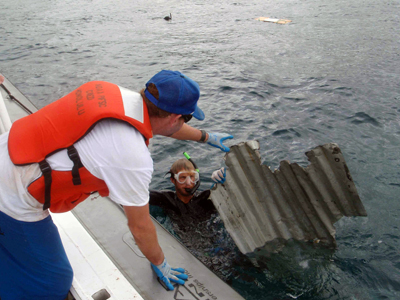
Photo: A diver retrieves a piece of debris from the 2011 Japan tsunami.
A diver retrieves a piece of debris from the tsunami that hit Japan in 2011. (NOAA)
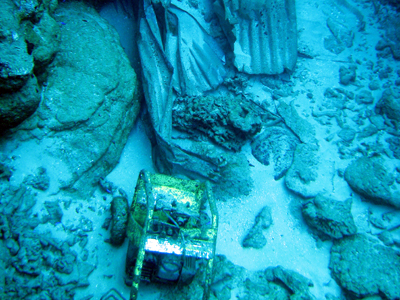
Photo: Debris from the tsunami that hit Japan in 2011 lies on the ocean floor.
Debris from the tsunami that hit Japan in 2011 lies on the ocean floor. (NOAA)
Node Weight: 
5

$36.8 Million Settlement to Restore Natural Resources and Improve Recreational Opportunities in Areas Affected by Cosco Busan Oil Spill Will Address Impacts from Ship that Struck the Bay Bridge

Short title: 
Cosco Busan: Natural Resource Trustees' Press Release

September 19, 2011

State and federal trustee agencies will use most of the funds from a $36.8 million settlement of natural resource damages to restore natural resources injured by the Nov. 7, 2007 oil spill in the San Francisco Bay and to improve Bay Area recreational opportunities impacted by the spill. The funds are part of a $44.4 million settlement with Regal Stone Limited and Fleet Management Limited, the companies responsible for the container ship Cosco Busan that spilled 53,000 gallons of oil into the bay after hitting the San Francisco-Oakland Bay Bridge. The trustees, including the California Department of Fish and Game, California State Lands Commission, National Oceanic and Atmospheric Administration, U.S. Fish and Wildlife Service, National Park Service, and Bureau of Land Management, estimate that the spill killed 6,849 birds, impacted 14 to 29 percent of the herring spawn that winter, oiled 3,367 acres of shoreline habitat, and resulted in the loss of over one million recreational user-days. The event killed thousands of birds, impacted a significant portion of the Bay's 2008 herring spawn, spoiled miles of shoreline habitat and closed the Bay and area beaches to recreation and fishing (Credit: U.S. Coast Guard). Approximately $32.3 million will be spent on a wide variety of restoration projects. The trustees have released a Draft Damage Assessment and Restoration Plan for public comment. The plan proposes specific projects to address specific injuries. About $5 million is proposed for bird restoration, $4 million for habitat restoration, $2.5 million for fish and habitat (eelgrass) restoration, and $18.8 million for recreational use improvements. An additional $2 million will fund restoration planning, administration, and oversight, with any unused funds to be spent toward more restoration.

Node Weight: 
5

NOAA’s Spill Response Team Nominated for Service to America Honors

Short title: 
NOAA’s Spill Response Team Nominated for Service to America Honors

September 15, 2011

NOAA scientist Amy Merten and her team are one of four finalists for the Samuel J. Heyman Partnership for Public Service to America Medal for Homeland Security. They were nominated for their efforts in the Deepwater Horizon oil spill to refine and expand the capability of an innovative tool providing responders and decision makers with quick access to spill data in a secure and user-friendly format.

During the spill, the tool, NOAA’s Environmental Response Management Application or ERMA, provided responders and decision-makers as well the public and news media access to see maps that charted areas oiled, fishery closures, and the location of response ships and other assets.

"The importance of quick access to up to date information was vital for decision-making during the Deepwater Horizon response,” said David Kennedy, assistant NOAA administrator for NOAA’s National Ocean Service. “Amy and her team were able to successfully expand an experimental NOAA tool into a critically important asset for spill management, the news media and the public. Her team’s nomination for this honor is recognition of that outstanding effort.”

A small pilot project developed by NOAA and the University of New Hampshire, ERMA was first introduced in 2008 as a prototype in the Portsmouth, N.H. region. It proved highly successful and ERMA sites are currently being developed for the U.S. Caribbean, New England, and Pacific Northwest. The Caribbean site was the first operational ERMA and was a partnership with NOAA and US EPA Region II. Merten is currently working on developing similar ERMA systems for the Arctic and the U.S. Pacific Islands and is updating the other ERMA programs developed for use in New England and the Caribbean.

According to Merten, the idea for creating ERMA originally stemmed from a presentation she saw using real-time weather information for web-mapping. After years of relying on manual maps and lagging information, she became determined to create a decision-making tool that would provide timely and comprehensive data to help leaders respond to oil spills.

The Gulf ERMA runs the federal geospatial information system, GeoPlatform.gov, and incorporates information from NOAA, the Department of Homeland Security, U.S. Coast Guard, U.S. Fish and Wildlife Service, EPA, NASA, U.S. Geological Survey and each of the five Gulf states. Agencies contribute data through the response data sharing mechanism within the command posts. This includes posting geospatial data on a common server, allowing access and use for multiple spatial platforms.

Merten and her team are finalists for the Homeland Security category, one of the eight Sammie categories presented by the Partnership for Public Service. The award ceremony will take place Sept. 15 in Washington, D.C.

NOAA’s mission is to understand and predict changes in the Earth's environment, from the depths of the ocean to the surface of the sun, and to conserve and manage our coastal and marine resources.

Node Weight: 
7

NRDA Trustees Announce $1 Billion Agreement to Fund Early Gulf Coast Restoration Projects

Short title: 
NRDA Trustees Announce $1 Billion Agreement to Fund Early Gulf Coast Restoration Projects

APRIL 21, 2011 -- Under an unprecedented agreement announced today by the Natural Resource Trustees for the Deepwater Horizon oil spill (Trustees), BP has agreed to provide $1 billion toward early restoration projects in the Gulf of Mexico to address injuries to natural resources caused by the spill. The Trustees involved are: Alabama, Florida, Louisiana, Mississippi, Texas, the Department of the Interior (DOI), and the National Oceanic and Atmospheric Administration (NOAA). The Department of Justice provided assistance in reaching the agreement.

This early restoration agreement, the largest of its kind ever reached, represents a first step toward fulfilling BP’s obligation to fund the complete restoration of injured public resources, including the loss of use of those resources by the people living, working and visiting the area. The Trustees will use the money to fund projects such as the rebuilding of coastal marshes, replenishment of damaged beaches, conservation of sensitive areas for ocean habitat for injured wildlife, and restoration of barrier islands and wetlands that provide natural protection from storms.

The agreement in no way affects the ultimate liability of BP or any other entity for natural resource damages or other liabilities, but provides an opportunity to help restoration get started sooner. The selection of early restoration projects will follow a public process, and will be overseen by the Trustees.

The full natural resource damage assessment process will continue until the Trustees have determined the full extent of damages caused by the Deepwater Horizon oil spill. At the end of the damage assessment process, the Trustees will take into account any benefits that were realized from these early restoration projects. In addition to funding early restoration projects, BP will continue to fund the damage assessment and, together with the other responsible parties, will ultimately be obligated to compensate the public for the entire injury. BP is providing the early restoration funds voluntarily, and is not required to do so at this stage of the damage assessment process. The agreement will speed needed resources to the Gulf in advance of the completion of the assessment process.

“This milestone agreement will allow us to jump-start restoration projects that will bring Gulf Coast marshes, wetlands, and wildlife habitat back to health after the damage they suffered as a result of the Deepwater Horizon spill,” said Secretary of the Interior Ken Salazar. “This agreement accelerates our work on Gulf Coast restoration and in no way limits the ability of all the Natural Resource Trustees from seeking full damages from those who are responsible as the NRDA process moves forward.”

"One year after the largest oil spill in our history, we take a major step forward in the recovery of the Gulf of Mexico, for the environment and the people who depend on it for their livelihood and enjoyment. Today's agreement is a down payment on our promise to protect and restore the Gulf," said Jane Lubchenco, Ph.D., under secretary of commerce for oceans and atmosphere and NOAA administrator.

"This agreement is a great first step toward restoring our natural resources destroyed by the BP oil spill," said Louisiana Governor Bobby Jindal. "We are eager to continue working with public, state and federal co-trustees and BP to quickly convert this downpayment into projects to restore our damaged coast and replace our lost wildlife. We encourage BP to continue to address the damages from this spill through early restoration efforts."

“Alabama’s natural resources are environmentally diverse and an economic engine for our state and nation. Ecosystem restoration is vital to the economic vitality of the Alabama Gulf Coast,” said Governor Bentley. “Obtaining funding for these restoration projects is a major step forward in addressing the oil spill’s damage to our precious natural resources. I have the utmost confidence that the Alabama trustees will consider and identify projects and use these funds toward restoring our natural resources.”

"Since the day of the oil spill, our goals have been to make Mississippi whole and to assure that our coastal areas completely recover. Today's unprecedented agreement is an important first step but it is only the first step. Mississippi will continue this work and will count on our many interested citizens to contribute their ideas and input as we all work to define the scope of these early projects and develop other restoration projects. Our goals have not changed. We will remain actively engaged in these and other projects until the Gulf is restored and our state is made whole," said Trudy D. Fisher, Mississippi Trustee, Executive Director, Mississippi Department of Environmental Quality.

“I’m pleased that after a year of uncertainty and concerns about environmental damages which occurred as a result of the Deepwater Horizon explosion, Florida will be able to use this early restoration money to initiate greatly needed environmental restoration projects,” said Florida Department of Environmental Protection Secretary Herschel Vinyard. “Because we have worked diligently to assess the environmental damage resulting from the spill, we are well positioned to be able to quickly begin performing important restoration projects and use Florida's share of the early restoration funds to assist our coastal communities with their continued recovery from the spill.”

“While the Texas coast was not as visibly impacted by this spill, our wetlands, bays, beaches and coastal waters were affected, and it makes sense to invest in places that can help jumpstart and maximize recovery of the entire Gulf,” said Carter Smith, Texas Parks and Wildlife Department executive director. “There will be a public process in Texas and throughout the Gulf to consider and identify projects that make the best use of these funds for our coastal habitats and the fish, wildlife and people who depend upon them.”

The $1 billion in early restoration projects will be selected and implemented as follows:

  • Each state – Florida, Alabama, Mississippi, Louisiana, and Texas - will select and implement $100 million in projects;
  • The Federal Resource Trustees, NOAA and DOI, will each select and implement $100 million in projects;
  • The remaining $300 million will be used for projects selected by NOAA and DOI from proposals submitted by the State Trustees. All projects must meet the other requirements of the Framework Agreement and be approved by the Trustee Council comprised of all the natural resource trustees.
Node Weight: 
6

Fishing for Energy Partnership Collects Over 1 Million Pounds of Abandoned Fishing Gear

Short title: 
Converting Abandoned Fishing Gear into Energy

JANUARY 23, 2012 -- Since launching in 2008, Fishing for Energy, a successful private-public partnership coordinated by NOAA's Marine Debris Program, has reeled in approximately 1.1 million pounds of old fishing gear, a portion of which has been retrieved directly from the ocean by fishermen.

Fishing for Energy is a partnership between Covanta Energy, the National Fish and Wildlife Foundation, Schnitzer Steel Industries, Inc., and the NOAA Marine Debris Program.

It aims to help commercial fishermen deal with the costly disposal of retired, derelict (gear that is lost in the marine environment), or unusable fishing gear which might otherwise end up remaining indefinitely in U.S. coastal waters.

The project gives fishermen a free place to dispose of abandoned gear they find in the water, and Covanta Energy runs waste-to-energy facilities that convert the derelict gear that isn't recyclable into electricity to power homes.

Fishing for Energy continues to expand, partnering with new ports to promote gear collection through community education and outreach. The majority of Fishing for Energy ports are located in the Northeast, with 24 ports participating from Virginia to Maine.

The initiative also includes a grant program that directly funds similar efforts in U.S. coastal waters. Recipients of small grants include Stellwagen Alive!, Provincetown Harbormaster, Cornell Cooperative Extension Association of Suffolk County, and the Gulf of Maine Lobster Foundation.

For more information about this project and the NOAA Marine Debris Program, visit www.MarineDebris.noaa.gov.

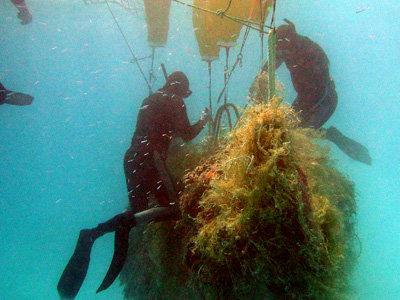
Photo: Divers gather abandoned fishing nets left at sea.
Old and derelict fishing gear is gathered to create electricity in the Fishing for Energy program. (NOAA)
Node Weight: 
5

Science of Oil Spills (SOS) Classes

Short title: 
SOS Classes

Science of Oil Spills (SOS) classes help spill responders increase their understanding of oil spill science when analyzing spills and making risk-based decisions. They are designed for new and mid-level spill responders. Learn more and apply for an upcoming class.

Node Weight: 
1
A group of students work together during an SOS class.

Science of Oil Spills (SOS) classes help spill responders increase their understanding of oil spill science when analyzing spills and making risk-based decisions. They are designed for new and mid-level spill responders. These multi-day trainings cover topics including:

  • Fate and behavior of oil spilled in the environment.
  • An introduction to oil chemistry and toxicity.
  • A review of basic spill response options for open water and shorelines.
  • Spill case studies.
  • Principles of ecological risk assessment.
  • A field trip.
  • An introduction to damage assessment techniques.
  • Determining cleanup endpoints.

Most examples provided in the class relate to oil spills that have occurred in coastal and marine environments; however, much of this information applies regardless of the spill location (e.g., inland vs. coastal). To view the topics for the next SOS class, download a sample agenda [PDF, 170 KB].

Where and When

SOS classes are held 2-4 times per year in different regions of the United States. One course per year is held in the spring or summer at NOAA's Western Regional Center in Seattle.

The following SOS classes are currently scheduled:

  • Baton Rouge, Louisiana, March 23-26, 2026:  This training event has been POSTPONED. We plan to reschedule this class for future dates; however new dates have not been identified yet. Participants who were accepted to the Baton Rouge class will receive more information about rescheduling from the training coordinator. Please contact the OR&R Training Team with any questions.
  • Charleston, South Carolina, April 20-24, 2026: The application period for this class will be open January 5 through February 13, 2026.
  • Seattle, Washington, June 1-5, 2026: The application period for this class will be open March 2 through April 3, 2026.

Accepted applicants will be sent an email containing information about hotel accommodations in the area, a map and directions to the class location, and information regarding the field trip and other logistics.

Please understand that SOS classes are not filled on a first-come, first-served basis. We try to diversify the participant composition to ensure a variety of perspectives and experiences, to enrich the class for the benefit of all participants. Classes are generally limited to 40 participants, to allow for personalized instruction.

Application Form

There is no tuition for SOS classes; however, attendees are responsible for their own travel costs.

Online Application: The online application form will be available during the application period for each scheduled SOS class.

If you experience any problems with the submission of your application, please send us an email.
 

Questions:  Review our page, Frequently Asked Questions (FAQs) about SOS Classes. You're also welcome to contact us with questions, comments, or suggestions about SOS classes.

Stay Updated: If you'd like to receive updates about our activities and events, including future SOS classes, you can do that in these ways:


Go back to the Workshops page.

Pages

Subscribe to response.restoration.noaa.gov RSS