Back to top

How Is an Oil Spill in a River Different Than One in the Ocean?

Short title: 
How Is an Oil Spill in a River Different Than One in the Ocean?

JULY 31, 2015 -- Liquid asphalt in the Ohio River. Slurry oil in the Gulf of Mexico. Diesel in an Alaskan stream. Each of these oil spills was very different from each other, partly because they involved very different types of oils.

But even if the same type of oil were spilled in each case, the results would be just as distinct because of where they occurred—one in a large inland river, one in the open ocean, and one in a small coastal creek.

In many cases, oil tends to float. But just because an oil floats in the saltwater of the Atlantic Ocean doesn't mean it will float in the constantly moving freshwater of the Mississippi River.

But why does that happen? And what else can we expect to be different when oil spills into a river and not the ocean?

Don't Be Dense ... Blame Density

To answer the first question: When oil floats, it is generally because the oil is less dense than the water it was spilled into. The more salt is dissolved in water, the greater the water's density. This means that saltwater is denser than freshwater. Very light oils, such as diesel, have low densities and would float in both the salty ocean and freshwater rivers.

However, very heavy oils may sink in a river (but perhaps not on the ocean), which is what happened when an Enbridge pipeline carrying a diluted form of oil from oil sands (tar sands) leaked into Michigan’s flooded Kalamazoo River in 2010. The lighter components of the oil quickly evaporated into the air, leaving the heavier components to drift in the water column and sink to the river bottom. That created a whole slew of new challenges as responders tried new methods of first finding and then cleaning up the difficult-to-access oil.

Going with the Flow

In rivers, going with the flow usually means going downstream. Except when it doesn't. When might a river's currents carry spilled oil upstream?

At the mouth of a river, where it meets the ocean, a large incoming tide can enter the river and overwhelm the normal downstream currents. That could potentially carry oil floating on the surface back upstream.

In open areas, such as on the ocean surface, both winds and currents have the potential to direct where spilled oil goes. And along most coasts, wind is what brings spilled oil onto shore.

In rivers, however, the downstream currents usually dominate the overall movement of oil while wind direction often determines which side of the river oil ends up on.

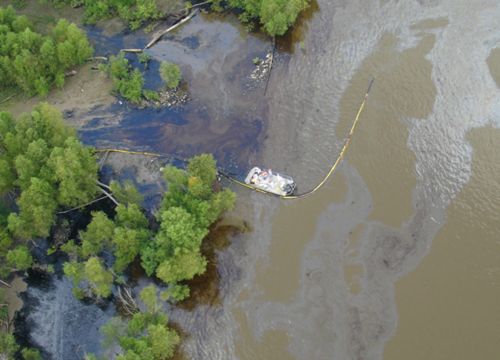
Boat with boom next to oil mixed with river bank vegetation.
The often complex, vegetated banks of rivers can complicate cleaning up oil spills. (NOAA)
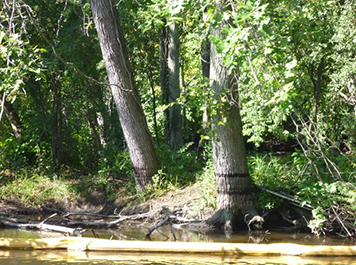
Oil rings on trees next to a river with boom.
Flooding on the Kalamazoo River in Michigan during the Enbridge pipeline oil spill left a ring of oil around trees and other vegetation after the river returned to its normal level. (NOAA)
Node Weight: 
2

Resilience Starts with Being Ready: Better Preparing Our Coasts to Cope with Environmental Disasters

Short title: 
Better Preparing Our Coasts to Cope with Disasters

JULY 28, 2015 — If your house were burning down, who would you want to respond?

The local firefighters, armed with hoses and broad training in first aid, firefighting, and crowd management? Or would your panicked neighbors running back and forth with five-gallon buckets of water suffice? Presumably, everyone would choose the trained firefighters. Why?

Well, because they know what they are doing! People who know what they are doing instill confidence and reduce panic—even in the worst situations.

By being prepared for an emergency, firefighters and other responders can act quickly and efficiently, reducing injuries to people and damage to property. People who have considered the range of risks for any given emergency—from a house fire to a hurricane—and have formed plans to deal with those risks are more likely to have access to the right equipment, tools, and information.

When disaster strikes, they are ready and able to respond immediately, moving more quickly from response to recovery, each crucial parts of the resilience continuum. If they prepared well, then the impacts to the community may not be as severe, creating an opportunity to bounce back even faster. Having the right training and plans for dealing with disasters helps individuals, communities, economies, and natural resources better absorb the shock of an emergency. That translates to shorter recovery times and increased resilience. This shock absorption concept applies to everything from human health to international emergency response to coastal disasters.

For example, the Department of Defense recognizes that building a culture of resilience for soldiers depends on early intervention. For them, that means using early education and training to ensure that troops are "mission ready." Presumably, the more "mission ready" a soldier is before going off to war, the less recovery will be needed, or the smoother that process will be, when a soldier returns from combat.

Similarly, the international humanitarian response community has noted that "resilience itself is not achievable without the capacity to absorb shocks, and it is this capacity that emergency preparedness helps to provide" (Harris, 2013 [PDF]).

NOAA's Office of Response and Restoration recognizes the importance of training and education for preparing local responders to respond effectively to coastal disasters, from oil spills caused by hurricanes to severe influxes of marine debris due to flooding.

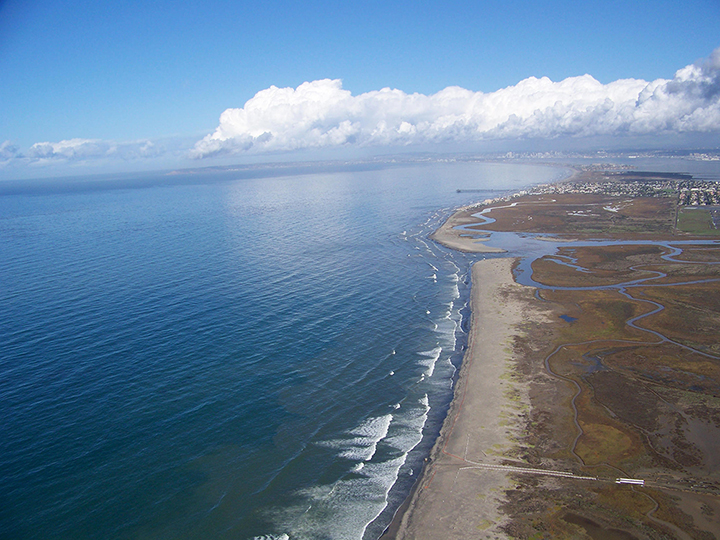
Coastline of Tijuana River National Estuarine Research Reserve in southern California.
Within NOAA, our office is uniquely qualified to provide critical science coordination and advice to the U.S. Coast Guard, FEMA, and other response agencies focused on coastal disaster operations. The result helps optimize the effectiveness of a response and cushion the blow to an affected community, its economy, and its natural resources, helping coasts bounce back to health even more quickly. (NOAA)


In fiscal year 2014 alone, we trained 2,388 emergency responders in oil spill response and planning. With more coastal responders becoming more knowledgeable in how oil and chemicals behave in the environment, more parts of the coast will become better protected against a disaster’s worst effects. In addition to trainings, we are involved in designing and carrying out exercises that simulate an emergency response to a coastal disaster, such as an oil spill, hurricane, or tsunami.

Furthermore, we are always working to collect environmental data in our online environmental response mapping tool, ERMA®, and identify sensitive shorelines, habitats, and species before any disaster hits. This doesn't just help create advance plans for how to respond—including guidance on which areas should receive priority for protection or response—but also helps quickly generate a common picture of the situation and response in the early stages of an environmental disaster response.

After the initial response, NOAA's Office of Response and Restoration is well-positioned to conduct rapid assessments of impacts to natural resources. These assessments can direct efforts to clean up and restore, for example, an oiled wetland, reducing the long-term impact and expediting recovery for the plants and animals that live there.

Within NOAA, our office is uniquely qualified to provide critical science coordination and advice to the U.S. Coast Guard, FEMA, and other response agencies focused on coastal disaster operations. Our years of experience and scientific expertise enable us to complement their trainings on emergency response operations with time-critical environmental science considerations. The result helps optimize the effectiveness of a response and cushion the blow to an affected community, its economy, and its natural resources. Our popular Science of Oil Spills class, held several times a year around the nation, is just one such example.

Additionally, we are working with coastal states to develop response plans for marine debris following disasters, to educate the public on how we evaluate the environmental impacts of and determine restoration needs after oil and chemical spills, and to develop publicly available tools that aggregate and display essential information needed to make critical response decisions during environmental disasters.

You can learn more about our efforts to improve resilience through readiness at response.restoration.noaa.gov.

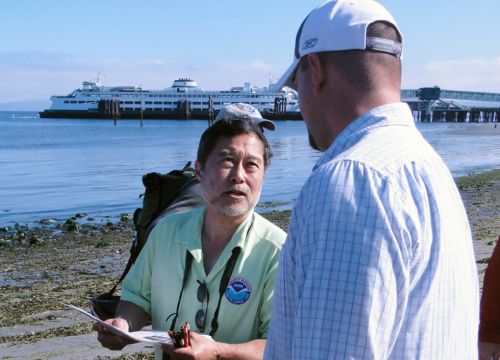
Two men speaking on a beach with a ferry in the background.
Having the right training and plans for dealing with disasters helps individuals, communities, economies, and natural resources better absorb the shock of an emergency. That translates to shorter recovery times and increased resilience. NOAA's Office of Response and Restoration recognizes the importance of training and education for preparing local responders to respond effectively to coastal disasters. (NOAA)
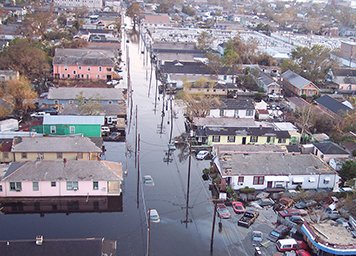
Flooded New Orleans streets after Hurricane Katrina.
View of Hurricane Katrina destruction in the City of New Orleans taken from a U.S. Coast Guard helicopter during an aerial pollution survey, September 5, 2005, New Orleans, Louisiana. (NOAA)
Node Weight: 
2

From Board Games to Cookbooks, How the Exxon Valdez Oil Spill Infiltrated Pop Culture

Short title: 
How the Exxon Valdez Oil Spill Infiltrated Pop Culture

JULY 22, 2015 -- Big oil spills, those of the magnitude which happen only once every few decades, often leave a legacy of sorts.

In the case of the 1989 Exxon Valdez oil spill, which dumped roughly 11 million gallons of crude oil into Alaska's Prince William Sound, that legacy took many forms.

Legislative, ecological, and even cultural—yes, that extends to pop culture too.

In short order, the Exxon Valdez oil spill prompted monumental changes in the laws governing maritime shipping and oil spill response. In 1990, Congress passed the Oil Pollution Act, empowering NOAA and the U.S. Environmental Protection Agency to better respond to and plan for spills and setting up a trust fund (paid for by an oil tax) to help with cleanup operations.

Furthermore, this important legislation mandated that oil tankers with single hulls (like the easily punctured Exxon Valdez) would no longer be permitted to operate in U.S. waters, instead requiring double-hull vessels to carry oil. (However, the full phaseout of single-hull tankers would take decades.)

More than 25 years later, researchers are still uncovering this spill's ecological legacy, its stamp on the natural world, and learning what happens when oil interacts with that world. The spill affected some two dozen species and habitats, some of which have not yet recovered.

Of course, the Exxon Valdez oil spill also left a complicated cultural legacy, imparting health, social, psychological, and economic impacts on the people living and working in the area, particularly those whose livelihoods are closely tied to the ocean. Commercial fishers, the recreation and tourism industry, and more than a dozen predominantly Alaskan Native communities relying on fish, waterfowl, and other natural resources for subsistence were dramatically affected by the oil spill.

Yet the cultural echoes of this environmental disaster spread beyond Alaska. It inspired a second grader to write an impassioned letter about the plight of otters threatened by the spill to the Alaska director of the Fish and Wildlife Service. After working at this spill, it inspired one NOAA marine biologist to begin collecting some of the strange pieces of memorabilia related to the incident, from a piece of the ill-fated tanker to an Exxon safety calendar featuring the ship in the very month it would run aground.

These echoes even managed to permeate the ranks of pop culture. Take a look at these five ways that the Exxon Valdez oil spill has shown up in places most oil spills just don't go:

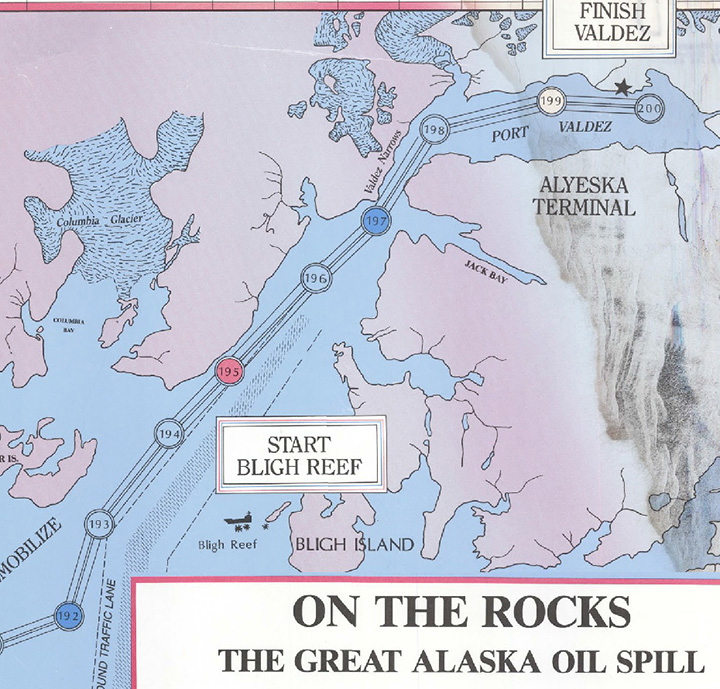
A view of part of the board game On the Rocks: The Great Alaska Oil Spill with a map of Prince William Sound.
The game "On the Rocks: The Great Alaska Oil Spill" challenges players to clean all 200 miles of shoreline oiled by the Exxon Valdez -- and do so with limits on time and money. (Credit: Alaska Resources Library and Information Services, ARLIS)
  1. A board game. Local bartender Richard Lynn of Valdez, Alaska, created the game "On the Rocks: The Great Alaska Oil Spill" after working part-time to clean up the spill. Each player navigates through the game using an authentic bit of rock from Prince William Sound. The goal was to be the first player to scrub all 200 miles of oily shore. The catch was that you only had about 6 months and $250 million in play money to accomplish this. You could pick up your own copy of the game for $16.69, which was the hourly rate Exxon's contracted workers earned while cleaning up the spill.
  2. A movie. Dead Ahead: the Exxon Valdez Disaster was the 1992 made-for-TV movie that dramatized the events of the oil spill and ensuing cleanup. This film even featured some well-known actors, including John Heard as Alaska inspector Dan Lawn and Christopher Lloyd as Exxon Shipping Company President Frank Iarossi.
  3. A cookbook. Fortunately, the recipes in The Two Billion Dollar Cookbook don't feature dishes like "oiled herring" or "otter on the rocks." Instead, this 300 page cookbook compiled by Exxon Valdez cleanup workers and their friends and families highlights meals more along the lines of barbeque sandwich mix and steak tartare, in addition to being peppered with personal stories from its contributors. Proceeds from the sale of this cookbook benefit a homeless shelter and food bank based in Anchorage, Alaska. Why two billion dollars? That was how much Exxon had shelled out for responding to the spill when the cookbook hit the presses.
  4. A play. Two plays, in fact. Dick Reichman, resident of Valdez, Alaska, during the momentous spill, has twice written and directed plays that examined this disaster—and the high emotions that came with it—through the theatrical lens. His first play, written in 1992 and dubbed “The official Valdez oil spill melodrama,” was Tanker on the Rocks: or the Great Alaskan Bad Friday Fish-Spill of '89. His second, The Big One: a Chronicle of the Exxon Valdez Oil Spill, was received with some acclaim during its 2009 run in Anchorage. You can watch a short video of the actors and director preparing for the 2009 performance (warning: some explicit language).
  5. Children's books, novels, and poetry. From a children's book about a young girl rescuing an oiled baby seal to a novel written by the tugboat captain who towed the Exxon Valdez out of Prince William Sound, there exists a bounty of literature exploring the many human and environmental themes of this oil spill. As you peruse them, keep in mind this NOAA scientist's recommendations for evaluating what you're reading about oil spills, especially when doing so with kids.

Have you seen other examples of the Exxon Valdez or perhaps, more recently, the Deepwater Horizon oil spill showing up in pop culture?

A special thanks to the Alaska Resources Library and Information Services (ARLIS) for compiling an excellent list of Exxon Valdez related information [PDF] and for helping procure an image of the rare “On the Rocks” board game.

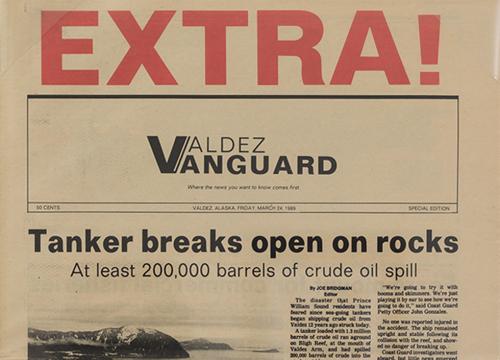
Front page of Valdez newspaper's first reports on the Exxon Valdez oil spill.
The local newspaper in Valdez, Alaska, first reports on the Exxon Valdez's grounding and oil spill on March 24, 1989. It was only the beginning. (NOAA)
Node Weight: 
2

For Oil and Chemical Spills, a New NOAA Tool to Help Predict Pollution's Fate and Effects

Short title: 
NOAA Tool for Predicting Pollution's Fate and Effects

The Chemical Aquatic Fate and Effects Database

NOAA's Chemical Aquatic Fate and Effects (CAFE) database allows anyone to determine the fate and toxicological effects of thousands of chemicals, oils, and dispersants when released into fresh or saltwater environments.

CAFE has two major components: the Fate module, which predicts how a contaminant will behave in the environment, and the Effects module, which determines the chemical’s potential toxicity to different species.

In the Fate module, CAFE contains data, such as chemical properties, useful in understanding and predicting chemical behavior in aquatic environments. For example, in our ammonia-in-water scenario, CAFE's chemical property data would tell us that ammonia has a low volatilization rate (it doesn’t readily change in form from liquid or solid to gas) and is very soluble in water. That means if spilled into a body of water, ammonia would dissolve in the water and stay there.

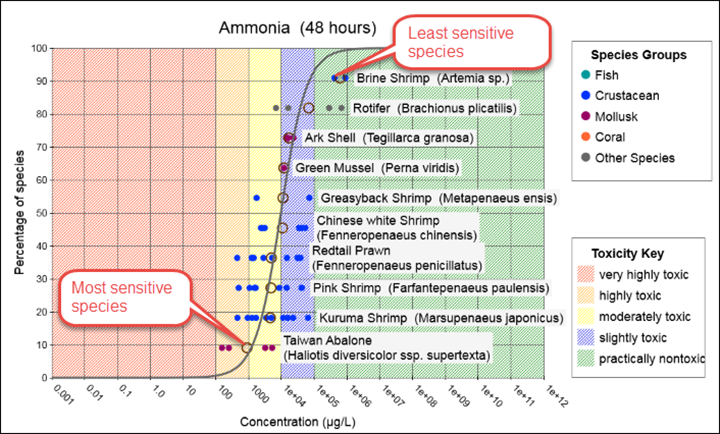
In the Effects module, CAFE contains data about the acute toxicity—negative, short-term impacts from short-term exposure—of different chemicals. This module plots that data on graphs known as "Species Sensitivity Distributions." These graphs show a curved line ranking the relative sensitivity of individual species of concern, from the most sensitive to the least sensitive, to a particular chemical over a given period of exposure (ranging from 24 to 96 hours).

Graph showing the range in sensitivity of aquatic species to 48 hour exposure to ammonia.
The reactions of different species to chemicals can vary widely. The CAFE database produces these species sensitivity graphs showing the range in sensitivity of select aquatic species to certain chemicals after a given length of exposure. (NOAA)

Again turning to our scenario of an ammonia spill in a salt marsh, the graph here shows how a range of aquatic species would be affected by a 48 hour exposure to ammonia. The Taiwan abalone (a type of aquatic snail) is the most sensitive species because many of these snails would be affected at lower concentrations of ammonia, falling into the orange, highly toxic zone.

On the other hand, the brine shrimp is the least sensitive of this group because these shrimp would have to be exposed to much higher concentrations of ammonia to be affected. Thus the brine shrimp falls into the green, practically nontoxic zone. However, most of the data in this graph seem to fall into the moderately or slightly toxic zones, meaning that ammonia is a toxic chemical of concern.

Using these data from CAFE, you then assess the potential impact of the ammonia spill to the aquatic environment.

Download the Software

You can download version 1.1 of the Chemical Aquatic Fate and Effects (CAFE) database from NOAA's Office of Response and Restoration website at http://response.restoration.noaa.gov/cafe.

Adding to our collection of spill response resources, CAFE will serve as a one-stop, rapid response tool to aid spill responders in their assessment of environmental impacts from chemical and oil spills.

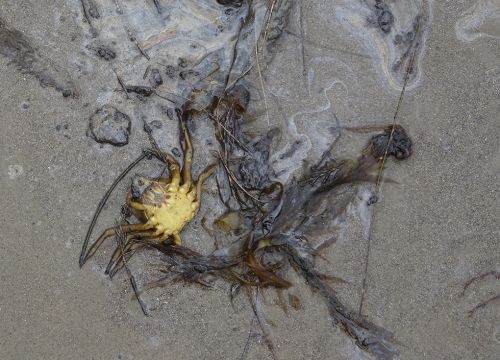
Dead crab on a beach with oily water and debris.
NOAA has released the software program CAFE to help responders dealing with pollution answer two important questions: What's going to happen to the contaminant released and what, if any, species will be harmed by it? (Beckye Stanton, California Department of Fish and Wildlife)
Node Weight: 
3

To Bring Back Healthy California Ocean Ecosystems, NOAA and Partners Are "Planting" Long-Lost Abalone in the Sea

Short title: 
"Planting" Long-Lost Abalone in the Sea
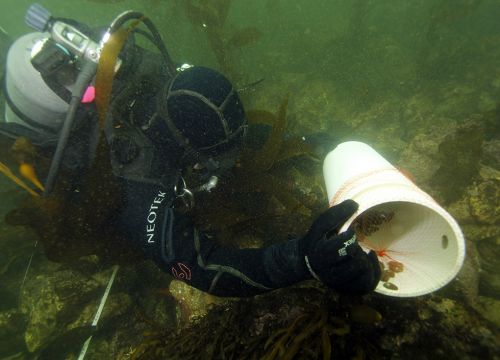
Diver placing PVC tube with small sea snails on the rocky seafloor.
A diver places a PVC tube filled with young green abalone -- sea snails raised in a lab -- on the seafloor off the southern California coast. (NOAA)
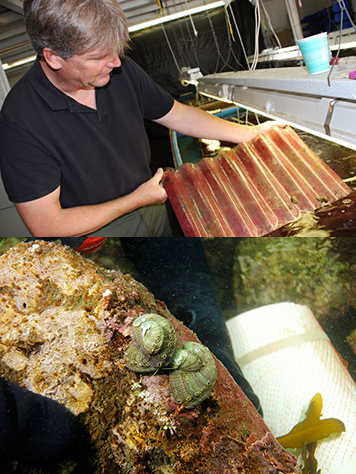
Top: Man with rack holding red algae and sea snails. Below: Abalone on seafloor
Top: NOAA scientist Dave Witting holds a red algae-covered rack that the young green abalone feed on while being raised in the lab. (Credit: Brenda Rees, with permission) Bottom: Some of the larger, older examples of green abalone raised in the lab soon after their release. Scientists painstakingly glued tiny identifying tags to each snail to track their progress after release. (NOAA)
Node Weight: 
2

Agreement in Principle with BP to Settle Civil Claims for the Deepwater Horizon Oil Spill

Short title: 
Settling Civil Claims for the Deepwater Horizon Oil Spill

Total Value of Settlement Would Top $18.7 Billion, the Largest Settlement with a Single Entity in American History Read the statement from Attorney General Loretta E. Lynch.

JULY 6, 2015 — In order to satisfy United Kingdom and U.S. securities requirements, BP announced on July 2, 2015 that it has reached an agreement in principle with the United States and the five Gulf states to settle the civil claims against the company arising out of the Deepwater Horizon oil spill tragedy. Although the terms are not final or binding until a consent decree is negotiated, undergoes public comment, and secures court approval, BP has provided information on the financial terms of the agreement. BP has announced the value of the settlement to be approximately $18.7 billion. The principle financial terms of the agreement are as follows:

  • A $5.5 billion Clean Water Act penalty, 80% of which will go to restoration efforts in the affected states pursuant to a Deepwater-specific statute, the RESTORE Act. This is the largest civil penalty in the history of environmental law.
  • $8.1 billion in natural resource damages (this includes $1 billion BP already committed for early restoration). BP will also pay an additional $700 million specifically to address any future natural resource damages unknown at the time of the agreement and assist in adaptive management needs. The natural resource damages money will fund gulf restoration projects as designated by the federal and state natural resource damage trustees.
  • $5.9 billion to settle claims by state and local governments for economic damages they have suffered as a result of the spill.
  • A total of $600 million for other claims, including claims for reimbursement of natural resource damage assessment costs and other unreimbursed federal expenses due to this incident.
  • The payments to the United States will be made over time, with interest, and will be subject to parent company guarantees with BP Corporation North America Inc. as the primary guarantor and BP P.L.C. as the secondary guarantor.

A final agreement will take the form of a proposed consent decree that will be submitted for public comment and then court approval. The process of getting from the current agreement in principle to a proposed consent decree likely will take several months. If approved, this will be the largest environmental settlement in the history of the United States, and the largest civil settlement with a single entity ever by the Department of Justice. By providing a steady stream of funds during the next 15 years for restoration of natural resources and enhancement of the economies and communities of the Gulf Region, the settlement will provide lasting and significant benefits to the people and environment of the Gulf States who were most directly impacted by this tragic event. This agreement is the result of vigorous litigation by Department of Justice, together with the support of many federal agencies: particularly the U.S. Coast Guard, the Environmental Protection Agency, the National Oceanic and Atmospheric Administration, the Department of the Interior, and the Department of Agriculture.

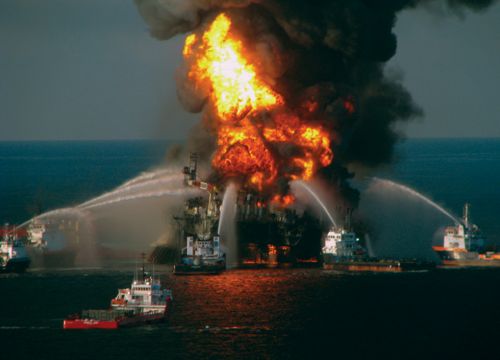
Deepwater Horizon oil rig on fire in Gulf of Mexico with firefighting boats.
BP will pay more than $8.1 billion in natural resource damages resulting from the Deepwater Horizon oil spill. This money will fund gulf restoration projects as designated by the federal and state natural resource damage trustees, which include NOAA.
Node Weight: 
2

Orange Oil Is the New Black

Short title: 
Orange Oil Is the New Black
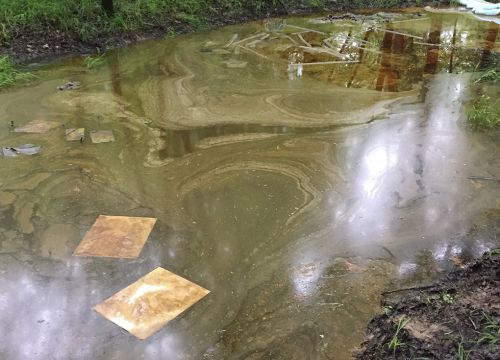
Sorbent pads soaking up orange oil on the surface of a creek.
Even something as pleasant-smelling as orange peel oil can have potentially harmful effects on aquatic life. A view of the spill with some absorbent cleanup materials not far from Orange, New Jersey. (U.S. Coast Guard)
Node Weight: 
2

From Natural Seeps to a Historic Legacy, What Sets Apart the Latest Santa Barbara Oil Spill

Short title: 
What Sets Apart the Latest Santa Barbara Oil Spill

JULY 2, 2015 -- The response to the oil pipeline break on May 19, 2015 near Refugio State Beach in Santa Barbara County, California, is winding down. Out of two* area beaches closed due to the oil spill, all but one, Refugio State Beach, have reopened.

NOAA's Office of Response and Restoration provided scientific support throughout the response, including aerial observations of the spill, information on fate and effects of the crude oil, oil detection and treatment, and potential environmental impacts both in the water and on the shore. Now that the response to this oil spill is transitioning from cleanup to efforts to assess and quantify the environmental impacts, a look back shows that, while not a huge spill in terms of volume, the location and timing of the event make it stand out in several ways.

Seep or Spill: Where Did the Oil Come From?

This oil spill, which allowed an estimated 21,000 gallons of crude oil to reach the Pacific Ocean, occurred in an area known for its abundant natural oil seeps. The Coal Oil Point area is home to seeps that release an estimated 6,500-7,000 gallons of oil per day (Lorenson et al., 2011) and are among the most active in the world. Oil seeps are natural leaks of oil and gas from subterranean reservoirs through the ocean floor.

The pipeline spill released a much greater volume of oil than the daily output of the local seeps. Furthermore, because it was from a single source, the spill resulted in much heavier oiling along the coast than you would find from the seeps alone.

A primary challenge, for purposes of spill response and damage assessment, was to determine whether oil on the shoreline and nearby waters was from the seeps or the pipeline. Since the oil from the local natural seeps and the leaking pipeline both originated from the same geologic formation, their chemical makeup is similar. However, chemists from Woods Hole Oceanographic Institution, the University of California at Santa Barbara, Louisiana State University, and the U.S. Coast Guard Marine Safety Lab were able to distinguish the difference by examining special chemical markers through a process known as "fingerprinting."

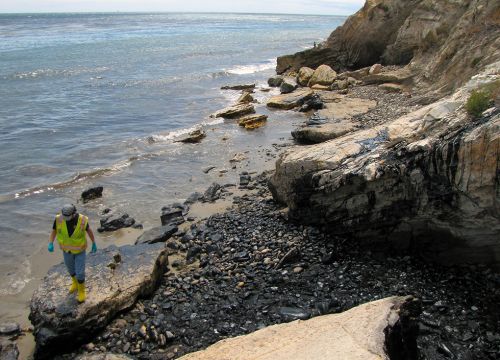
Cleanup worker and oiled boulders where the oil entered the beach.
The pipeline release allowed an estimated 21,000 gallons of crude oil to reach the Pacific Ocean, shown here where the oil entered Refugio State Beach. (NOAA)
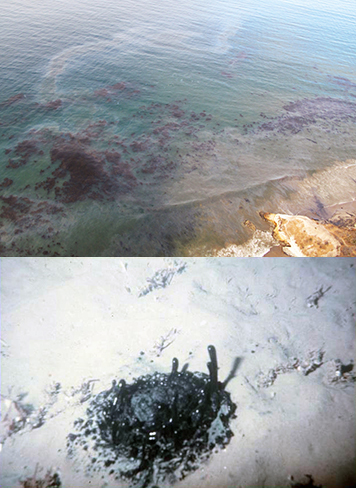
Top: Oil on ocean surface. Bottom: Multiple seeps release oil on seafloor.
Top: Overflight photo of oil floating near the shore of Refugio State Beach on May 27, 2015. Bottom: The waters off southern California are one area in particular which host hundreds of known, naturally occurring oil and gas seeps, complicating the process of distiguishing the source of oil found after the pipeline spill. (NOAA)
Node Weight: 
3

From Building B-17 Bombers to Building Habitat for Fish: The Reshaping of an Industrial Seattle River

Short title: 
The Reshaping of an Industrial Seattle River

The Pace—and Price—of Industry

Starting as far back as the 1870s and stretching well into the twentieth century, the Lower Duwamish River was transformed by people as the burgeoning city of Seattle grew. The river was straightened and dredged, its banks cleared and hardened. Factories and other development lined its banks, while industrial pollution—particularly PCBs—poured into its waters. More than 40 organizations are potentially responsible for this long-ago pollution that still haunts the river and the fish, birds, and wildlife that call it home. Yet most of those organizations have dragged their feet in cleaning it up and restoring the impacted lands and waters. However, the Boeing Company, a longtime resident of the Lower Duwamish River, has stepped up to collaborate in remaking the river.

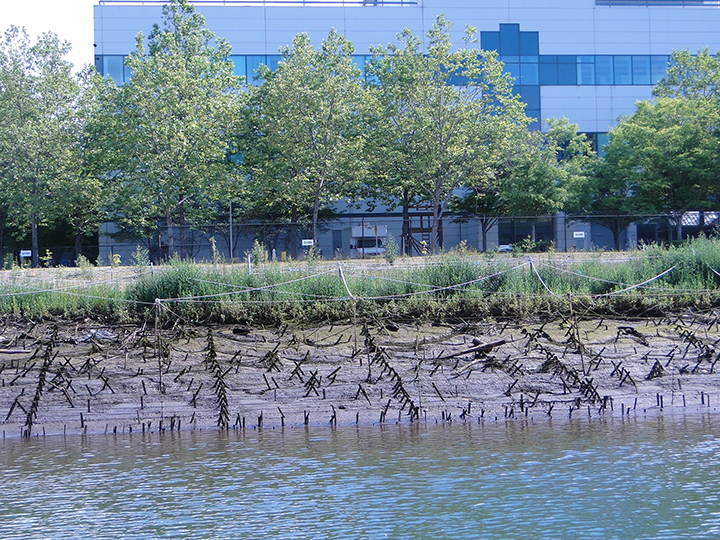
Newly restored marsh and riverbank vegetation with protective ropes and fencing on the Duwamish River.
The former site of Boeing's Plant 2 is now home to five acres of marsh and riverbank habitat, creating a much friendlier shoreline for fish and other wildlife. Protective fencing and ropes attempt to exclude geese from eating the young plants. (NOAA)

Boeing's history there began in 1936 when it set up shop along 28 acres of the Duwamish. Here, the airplane manufacturer constructed a sprawling building known as Plant 2 where it—with the help of the women nicknamed "Rosie the Riveters"—would eventually assemble 7,000 B-17 bombers for the U.S. government during World War II. The Army Corps of Engineers even took pains to hide this factory from foreign spies by camouflaging its roof "to resemble a hillside neighborhood dotted with homes and trees," according to Boeing. But like many of its neighbors along the Duwamish, Boeing's history left a mark on the river. At the end of 2011, Boeing tore down the aging Plant 2 to prepare for cleanup and restoration along the Duwamish. Working with the City of Seattle, Port of Seattle, and King County, Boeing has already removed the equivalent of thousands of railcars of contaminated sediment from the river bottom and is replacing it with clean sand.

From Rosie the Riveter to Rosie the Restorer

By 2013, a hundred years after the Army Corps of Engineers reshaped this section of the Duwamish from a nine mile estuary into a five mile industrial channel, Boeing had finished its latest transformation of the shoreline. It planted more than 170,000 native wetland plants and grasses here, which are interspersed with large piles of wood anchored to the shore. Five acres of marsh and riverbank vegetation now line its shores, providing food, shelter, and calmer side channels for young fish to rest and grow as they transition from freshwater to the salty ocean.

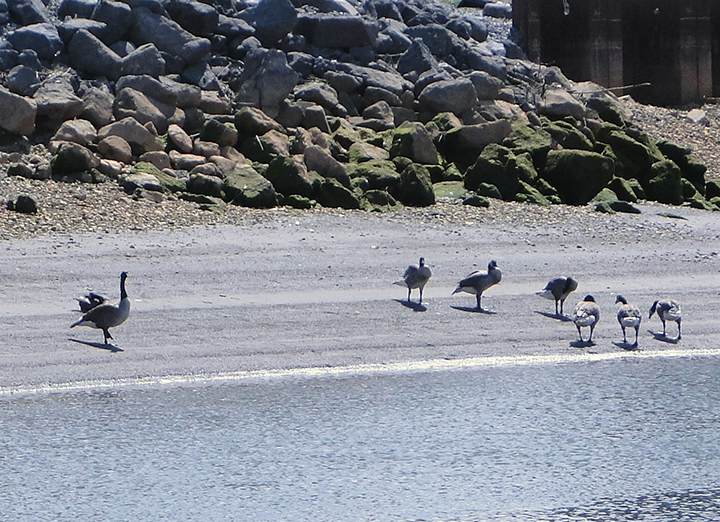
Canada geese on an unrestored portion of the Duwamish River shoreline.
Protecting the newly restored shoreline, out of sight to the left, from Canada geese is a challenge to getting the young wetland plants established. Behind the geese, the artificial, rocky shoreline is a stark difference from the adjacent restored portion. (NOAA)

Now the challenge is to keep the Canada geese from eating all of the tender young plants before they have the chance to establish themselves. That is why protective ropes and fencing surround the restoration sites. Already, biologists are beginning to see a change in the composition of the birds frequenting this portion of the river. Rather than the crows, starlings, and gulls typically associated with areas colonized by humans, birds such as herons and mergansers, a fish-eating duck, are showing up at the restoration sites. Those birds like to eat fish, which offers hope that fish such as salmon and trout are starting to make a comeback as well. Of course, these efforts are only the beginning. Through the Natural Resource Damage Assessment process, NOAA looks forward to working with other responsible organizations along the Duwamish River to continue restoring its health, both for people and nature now and in the future.

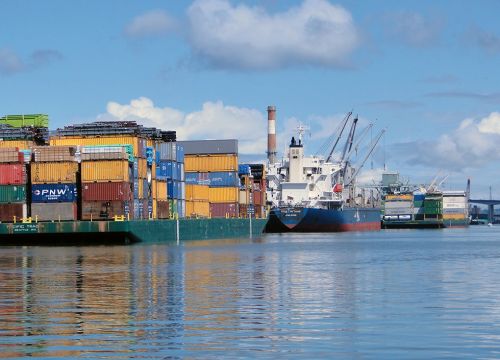
Ships and shipping containers on the Duwamish River in Seattle.
Nearly all of the original habitat for salmon—including marsh, mudflats, and toppled trees along multiple meandering channels—was lost in 1913 when the Army Corps of Engineers transformed the Lower Duwamish River from a nine mile estuary into a five mile industrial channel. (NOAA)
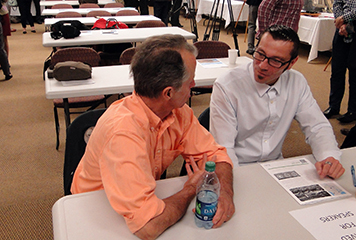
Two men sit at a table talking.
NOAA Fisheries West Coast Administrator Will Stelle (left) discusses the challenges and solutions of restoring fish habitat along the Duwamish River with Louie Ungaro (right), chair of the Muckleshoot Tribe's fish commission. (NOAA)
Node Weight: 
4

How to Keep Your Belongings From Becoming Trashed by Hurricanes

Short title: 
Don't Let Hurricanes Trash Your Stuff

A Boat out of Water

Dealing with the large number of abandoned and derelict vessels after a storm is often a complicated and expensive ordeal. As a result, we should try to keep boats from ending up in this sorry state in the first place. Unfortunately, finding a safe and secure location for boats during a storm proves to be a huge challenge for many along the coasts. A few areas do show promise in creating safe spaces for vessels during storms. One example is the Clean and Resilient Marina Initiative from the Gulf of Mexico Alliance, a regional partnership made up of the Gulf states. According to the alliance, "This improved program...provides additional recommendations to strengthen local marinas' ability to withstand natural and man-made disasters." The initiative offers best management practices for incorporating resilience and environmental responsibility into everything from the design and siting of marinas to strategies for evacuating them during a disaster. Another example is the concept of "harbors of refuge," which several organizations in Louisiana are looking to implement on public lands along the coast. A harbor of safe refuge is "a port, inlet, or other body of water normally sheltered from heavy seas by land and in which a vessel can navigate and safely moor." Providing resilient infrastructure able to withstand high winds and waters helps better protect boats, and offering these facilities on public lands creates opportunities for public funding to help pay for the upgrades or for salvage after a storm.

Taking on Disasters

The NOAA Marine Debris Program (MDP) is also taking a proactive approach to planning for disasters.

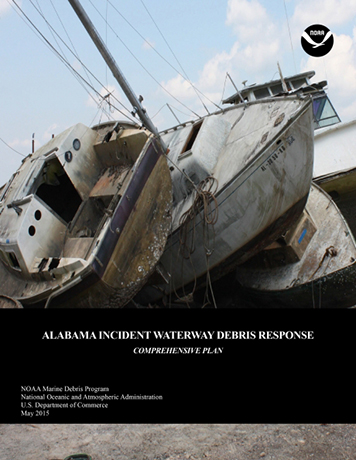
Cover of Alabama Incident Waterway Debris Response Plan, with damaged boats.
The NOAA Marine Debris Program worked with the State of Alabama to release the first in a series of comprehensive plans to help coastal states better prepare for an acute waterway debris release, such as in a hurricane. (NOAA)

In 2012, Congress expanded the program's responsibilities to include "severe marine debris events," which formalized their role in preparing for and responding to disaster debris. This was in the wake of the 2011 Japan earthquake and tsunami, and states were struggling to deal with the tsunami debris—from small boats to massive docks—washing up on U.S. shores. Furthermore, the massive storm known as Sandy had recently hit the East Coast, leaving its own path of destruction along coastal waterways. As a result, the NOAA MDP has started a proactive planning program for dealing with these types of large, disaster-related debris events. They began by working with the State of Alabama to develop a waterway debris emergency response plan and will now move on to work with other coastal states. This effort includes both a comprehensive plan and field action guide which spells out information such as which agencies have authorities to remove disaster-related debris if it lands in a given waterway, as well as points of contact at those agencies. The plan is meant to be a broad, useful tool both for the NOAA MDP and the state in case of a natural disaster producing large amounts of debris. To learn more about how you can prepare for hurricanes, visit NOAA's National Hurricane Center at www.nhc.noaa.gov/prepare/, and read more about the NOAA Marine Debris Program's efforts at marinedebris.noaa.gov/current-efforts/emergency-response.

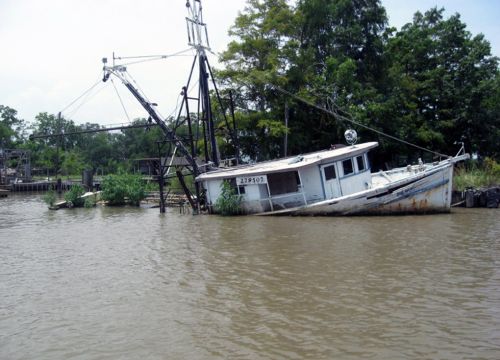
Boat half-sunk in Vermilion Bay, Lousiana.
Finding a safe and secure location for boats during a storm proves to be a huge challenge for many along the coasts, which is how a great deal of boats end up like this one after Hurricanes Katrina and Rita. (U.S. Coast. Guard)
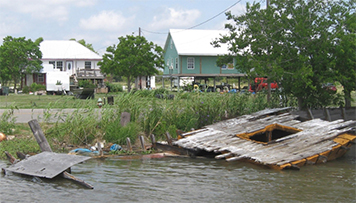
Destroyed dock and debris along a populated canal in Louisiana.
No matter the size of the storm, you and your family can take steps to reduce the likelihood of your stuff becoming storm debris. (U.S. Coast Guard)
Node Weight: 
2

How Do Oil Spills out at Sea Typically Get Cleaned Up?

Short title: 
Cleaning up Oil Spills at Sea

JUNE 17, 2015 -- Whether for hanging a picture on the wall or fixing a leaky faucet, most people keep a common set of tools in their home. While some tools get more use than others, it's good to have an array on hand to handle most repair jobs. The same is true for responding to oil spills.

Like a home repair job, each oil spill has unique aspects that call for careful consideration when deciding which tool to use. Responders keep an array of response methods in their toolkit for dealing with oil in offshore waters: skimming and booming, in situ burning, and applying dispersants.

Let's get to know a few of those tools and the situations when they might be the most appropriate method for dealing with oil spills out at sea.

Skimming: Take a Little off the Top

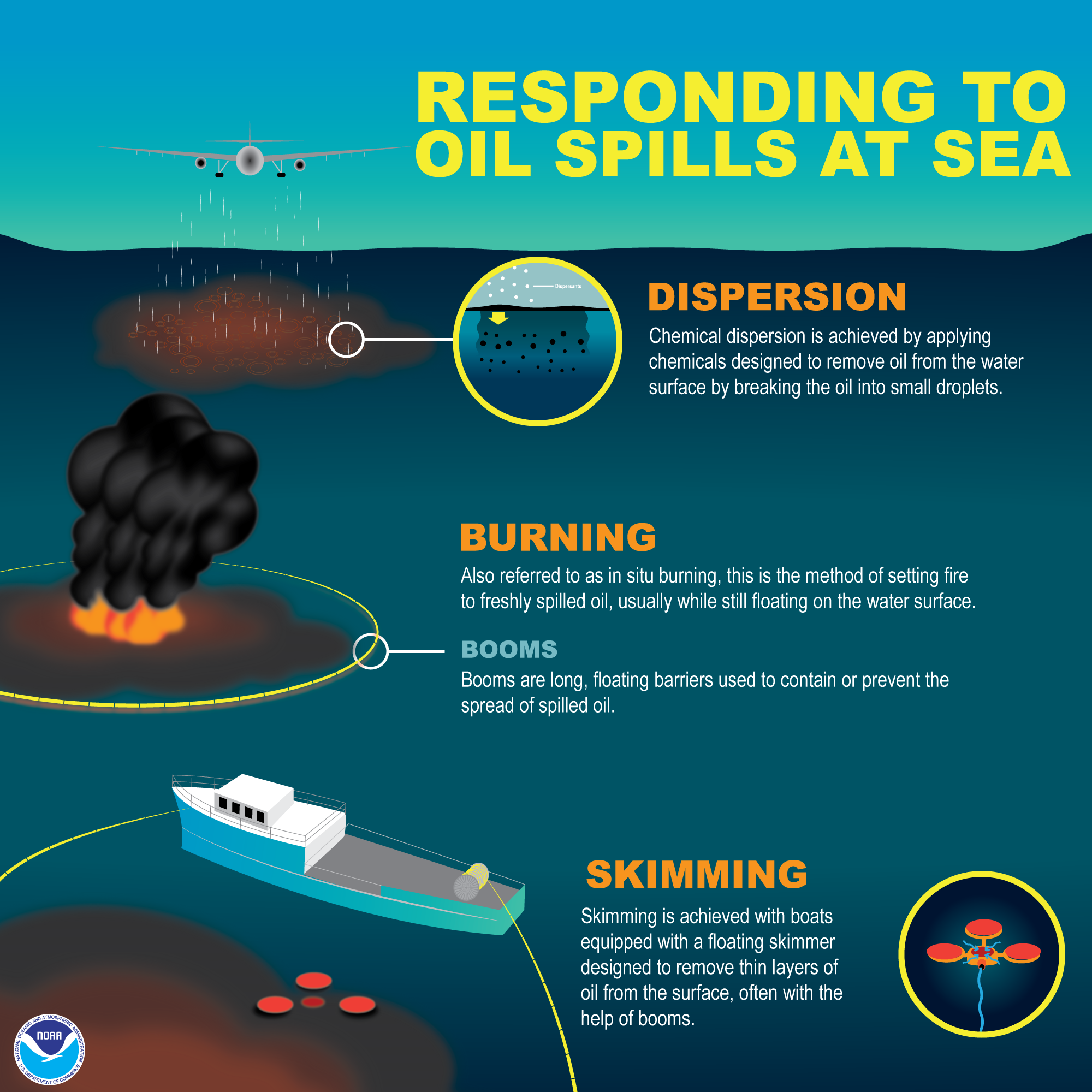
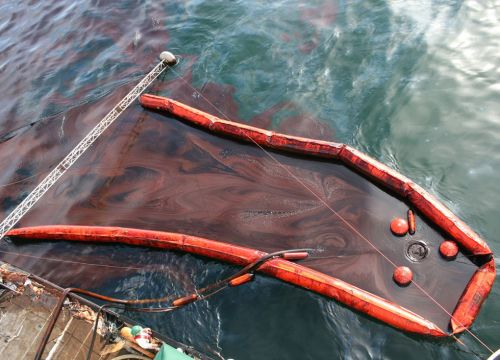
Skimming is a process that removes oil from the sea surface before it reaches sensitive areas along a coastline. Sometimes, two boats will tow a collection boom, allowing oil to concentrate within the boom, where it is then picked up by a "skimmer." From whirring disks to floating drums, skimmers come in various designs but all basically work by removing the oil layer from the surface of the water. These devices attract oil to their surfaces before transferring it to a collection tank, often on a boat. Ideal conditions for skimming are during the day when the oil slick is thick and the ocean surface is fairly calm.

The success of a skimming operation is dependent on something known as the "encounter rate." Much like a vacuum picks up dirt from your carpet, a skimmer has to come in direct contact with the oil in order to remove it from the surface and, even then, it will still pick up some water. That's why responders will often refer to the volume of oil removed via skimming as gallons of an oil-water mixture.

In Situ Burning: Burn After Oiling

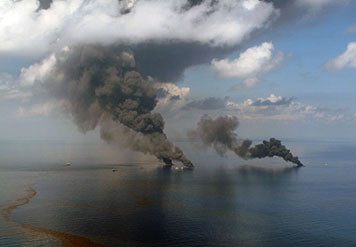
In situ burning is the process of burning spilled oil where it is on the ocean (known as "in situ," which is Latin for "on site"). Similar to skimming, two boats will often tow a fire-retardant collection boom to concentrate enough oil to burn. Burning is sometimes also used in treating oiled marshes.

Ideal conditions for in situ burning are daylight with mild or offshore winds and flat seas. The success of burning oil is dependent on corralling a layer of oil thick enough to maintain a sustained burn. Any burn operation includes careful air monitoring to ensure smoke or residue resulting from the burn do not adversely impact people or wildlife.

Chemical Dispersants: Break It Up

Releasing chemical dispersants, usually from a small plane or a response vessel, on an oil slick breaks down the oil into smaller droplets, allowing them to mix more easily into the water column. Smaller droplets of oil become more readily available to microbes that will eat them and break them down into less harmful compounds.

However, using dispersants has its drawbacks, shifting potential impacts to the marine life living in the water column and on the seafloor. Because of this, the decision to chemically disperse oil into the water column is never made lightly. This decision is often made so that much less oil stays at the surface, where it could affect birds and wildlife at the ocean surface and drift onto vulnerable coastal habitat like beaches, wetlands, and tidal flats.

Ideal conditions for chemical dispersion are daylight with mild winds and moderate seas. Chemical dispersion is never done close to the shore, in shallow waters, near coastal communities, or when there is a potential for winds to carry the chemical spray away from its intended target.

Natural dispersion can and does occur when waves at the ocean surface have enough turbulent energy to allow surface oil to mix into the water column. Applying chemical dispersants can expedite this process when there is an imminent threat associated with allowing the oil to stay on the surface.

Graphic showing methods for responding to oil spills at sea. Plane applying chemical dispersants: Chemical dispersion is achieved by applying chemicals to remove oil from the water surface by breaking the oil into small droplets. Burning: Also referred to as in situ burning, this is the method of setting fire to freshly spilled oil, usually while still floating on the water surface. Booms: Booms are long floating barriers used to contain or prevent the spread of spilled oil. Skimming: Skimming is achieved with boats equipped with a floating skimmer designed to remove thin layers of oil from the surface, often with the help of booms.
Click to view larger. (NOAA)
One Size Does Not Fit All

You may have noticed that each of these tools has one common factor limiting its effectiveness: daylight, or more precisely, visibility. Being able to see the spilled oil, often over large areas of the ocean, is critical to being able to clean it up. That means these tools become ineffective at night, during certain seasons, or in regions where prolonged darkness, fog, or clouds are the norm.

  Sunlight? Windy? Rough Seas? Cold? Nearshore?
Skimming Yes Maybe No Yes Yes
Burning Yes Maybe No Yes No
Dispersing Yes No No Yes No

Rough seas can be prohibitive for skimming and burning since these methods rely on calm conditions and collection booms to gather (and keep) oil in one place. High winds can often rule out burning and aerial dispersion as an option.

While these techniques perform best under certain, ideal conditions, responders often have to make do with the variety of conditions going on during an oil spill and can and do use these tools under less-than-ideal conditions. Their effectiveness also depends on factors such as the type or state of the spilled oil or the environment it was spilled in (e.g., sea ice).

Just like your home repairs, the job sometimes calls for a non-traditional tool or creative fix. The continued development of alternative response methods and technologies for cleaning up oil is critical for addressing oil spills in geographic areas or conditions that the traditional toolbox is not equipped to fix.

Close up of skimming device on side of a boat with oil and boom.
Skimmers come in various designs but all basically work by removing the oil layer from the surface of the water. (U.S. Coast Guard)
Plumes of smoke from two fires burning oil on the ocean surface.
Burning oil "in place" (in situ) on the water's surface requires gathering a layer of oil thick enough to sustain the burn. (NOAA)
Node Weight: 
2

Chemical Aquatic Fate and Effects (CAFE) Database

Short title: 
Predict Impacts to Species

The CAFE database is a software program that helps responders assess environmental impacts to biological species from chemical or oil spills into aquatic environments.

Node Weight: 
7

Desktop CAFE

Dead crab on oiled beach.
Numerous species can be affected by oils and chemicals spilled into the ocean, lakes, and rivers. (Beckye Stanton, California Department of Fish and Wildlife)

You can continue to use the desktop version of CAFE, which includes a user-added section that allows you to add your own data for computing SSD curves.

The Chemical Aquatic Fate and Effects (CAFE) database is a software program you can use to estimate the fate and effects of thousands of chemicals, oils, and dispersants. CAFE serves as a tool to help responders in their assessment of environmental impacts from chemical or oil spills into an aquatic environment. Using CAFE, you can choose between four different spill scenarios: chemical, oil only, dispersant only, and dispersants mixed with oil.

CAFE is available in two formats. We encourage you to access the Web-based version. If you do not have an internet connection, you can use the desktop version.

Overview

Data in CAFE are presented in two modules, which can provide complementary information to responders:

  • Aquatic Fate module
  • Aquatic Effects (Toxicity) module

The Aquatic Fate module provides you with the following information about the pollutant:

  • Structure and physical properties (e.g., boiling point, water solubility, molecular weight)
  • Environmental fate (e.g., estimated Koc, biodegradation time, partitioning)

In the Aquatic Effects module, you can navigate through a series of steps to produce a Species Sensitivity Distribution (SSD), a curve based on effects (LC50, EC50) for various acute exposure times (1, 2, 3, 4, 24, 48, 72, or 96 hours) or chronic exposure times (5, 10, 15, 20, 7, 14, 21, or 28 days) to a specific pollutant. SSDs are probabilistic models that show the sensitivity of biological species to a chemical or oil.

Also included in CAFE are Short Exposure Risk Reports for a selected number of chemicals, and a User-Added section that allows you to add your own data to SSDs (desktop version only).

Web CAFE

CAFE is available as a Web-based product, Web CAFE, introduced in February 2020, which has the following advantages over the desktop version:

  • the most up-to-date data.
  • an improved chemical name search engine.
  • the ability to save and compare SSD curves for multiple chemicals on one graph, as well as export the data to a CSV file.
  • the ability to export toxicity data.
  • for those chemicals with too few data points, the ability to create a predictive SSD curve based on Interspecies Correlation Estimate (ICE) modeling.
  • formatted for a mobile phone.
  • an improved Oil and Dispersant search engine.
  • detail pages to learn more about specific oils and dispersants.
  • easier locating of the original references.

More Information about CAFE

CAFE Fact Sheet [PDF, 410 KB]: Learn more about basic features of CAFE in this short fact sheet. CAFE was developed by NOAA's Office of Response and Restoration, in collaboration with Research Planning, Inc.
 

Questions: Contact us with your questions, comments, or suggestions for CAFE.

Using Big Data to Restore the Gulf of Mexico

Short title: 
Using Big Data to Restore the Gulf of Mexico
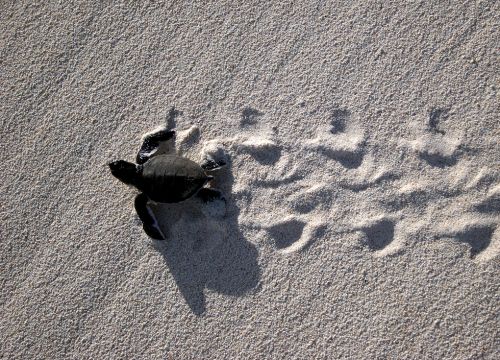
Green sea turtle hatchling making tracks in the sand.
Data management tools like NOAA's DIVER help turn lots of disparate sets of data into insight about the nature and location of the greatest threats to marine wildlife. (NOAA)
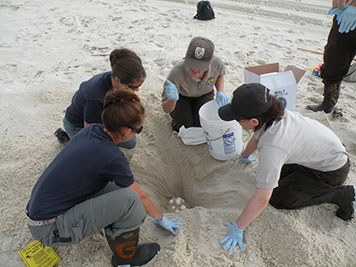
Scientists examining a sea turtle nest on a sandy beach.
Protecting marine life in the Gulf of Mexico extends beyond coming to the direct aid of charismatic species in need, like the sea turtles that have nested here. (U.S. Fish and Wildlife Service)
Node Weight: 
4

How Beach Cleanups Help Keep Microplastics out of the Garbage Patches

Short title: 
Keeping Microplastics out of the Ocean

The Science of Creating Microplastics

Plastic starts breaking down, or degrading, when exposed to light and high temperatures from the sun. Ultraviolet B radiation (UVB), the same part of the light spectrum that can cause sunburns and skin cancer, starts this process for plastics. This process, known as photo-oxidation, is a chemical reaction that uses oxygen to break the links in the molecular chains that make up plastic. It also happens much faster on land than in the comparatively cool waters of the ocean. For example, a hot day at the beach can heat the sandy surface—and plastic trash sitting on it—up to 104 degrees Fahrenheit. The ocean, on the other hand, gets darker and colder the deeper you go, and the average temperatures at its surface in July can range from 45 degrees Fahrenheit near Adak Island, Alaska, to 89 degrees in Cannon Bay, Florida. Back on that sunny, warm beach, a plastic water bottle starts to show the effects of photo-oxidation. Its surface becomes brittle and tiny cracks start forming. Those larger shards of plastic break apart into smaller and smaller pieces, but they keep roughly the same molecular structure, locked into hydrogen and carbon chains. A brisk wind or child playing on the beach may cause this brittle outer layer of plastic to crumble. The tide washes these now tiny plastics into the ocean. Once in the ocean, the process of degrading slows down for the remains of this plastic bottle. It can sink below the water surface, where less light and heat penetrate and less oxygen is available. In addition, plastics can quickly become covered in a thin film of marine life, which further blocks light from reaching the plastic and breaking it down.

An Incredible Journey

In general, plastic breaks down much, much more slowly in the ocean than on land. That means plastic objects that reach the ocean either directly from a boat (say trash or nets from a fishing vessel) or washed into the sea before much degradation has happened are much less likely to break into smaller pieces that become microplastics. This also applies to plastics that sink below the ocean surface into the water column or seafloor. Instead, plastic that has spent time heating up and breaking down on land is most likely to produce the microplastics eventually accumulating in ocean gyres or garbage patches, a conclusion supported by the research of North Carolina State University professor Anthony Andrady and others. Of course, microplastics in the form of "microbeads" in face wash and other cosmetics or microfibers in fleece clothing also can reach the ocean by slipping through waste water treatment systems. However, regularly patrolling your favorite beach or waterway and cleaning up any plastic or other marine debris can go a long way to keeping millions of tiny microplastics—some so tiny they can only be seen with a microscope—from reaching the garbage patches and other areas of the ocean. The great thing is anyone can do this and you don’t have to wait for the International Coastal Cleanup each September to get started. Find more tips and resources to help you on your way:

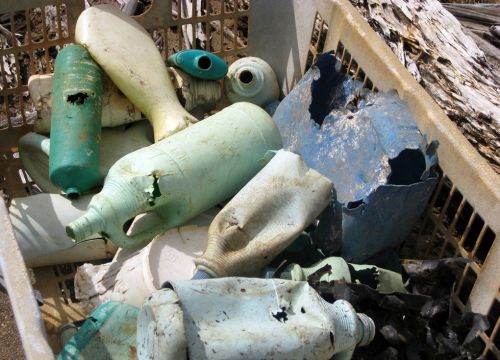
Basket full of faded, old plastic bottles on a beach.
Cleaning up a few plastic bottles on a beach can make a big difference when it comes to keeping microplastics from entering the ocean. (NOAA)
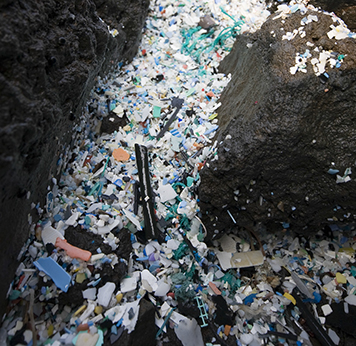
Lots of tiny pieces of plastic covering rocks.
Microplastics, tiny bits of plastic measuring 5 millimeters or less, are often the result of larger pieces of plastic breaking down on land before making it into the ocean. They can also come from cosmetics and fleece clothing. (NOAA)
Node Weight: 
3

This Is How We Help Make the Ocean a Better Place for Coral

Short title: 
Making the Ocean a Better Place for Coral

JUNE 8, 2015 -- The ocean on its own is an amazing place. Which is why we humans like to explore it, from its warm, sandy beaches to its dark, mysterious depths.

But when humans are involved, things can and often do go wrong.

That's where we come in.

Our corner of NOAA helps figure out what impacts have happened and what restoration is needed to make up for them when humans create a mess of the ocean, from oil spills to ship groundings.

In honor of World Ocean Day, here are a few ways we at NOAA make the ocean a better place for corals when ships accidentally turn them into undersea roadkill.

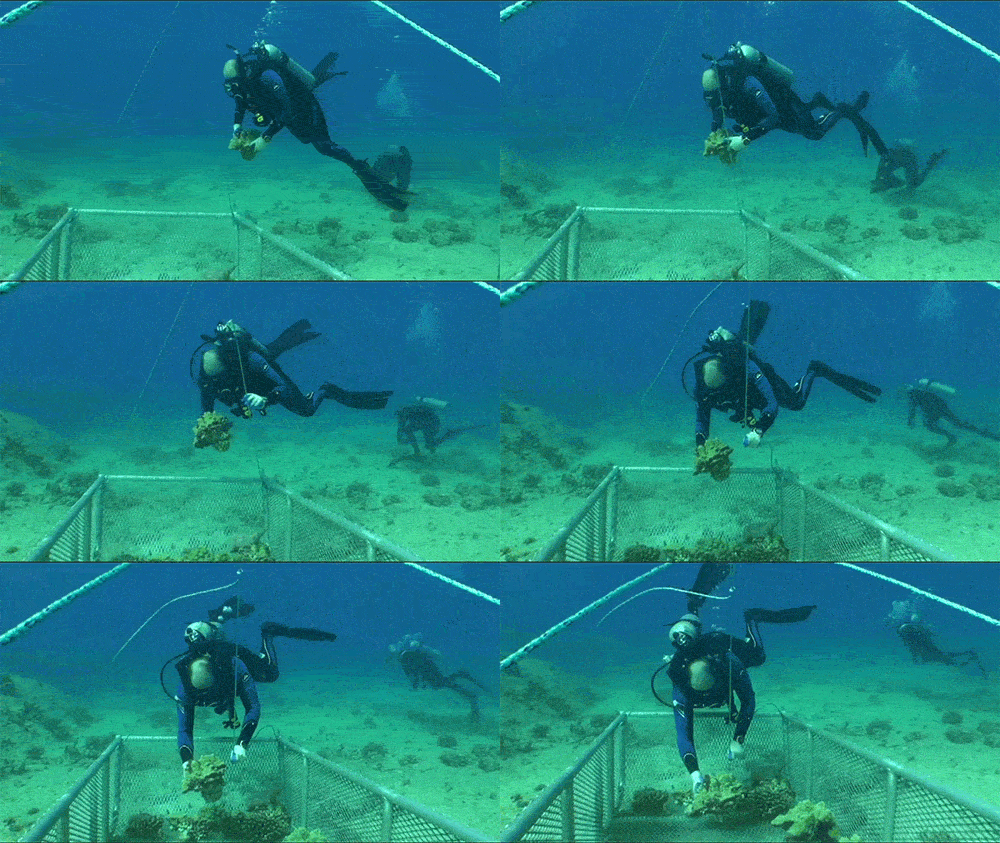
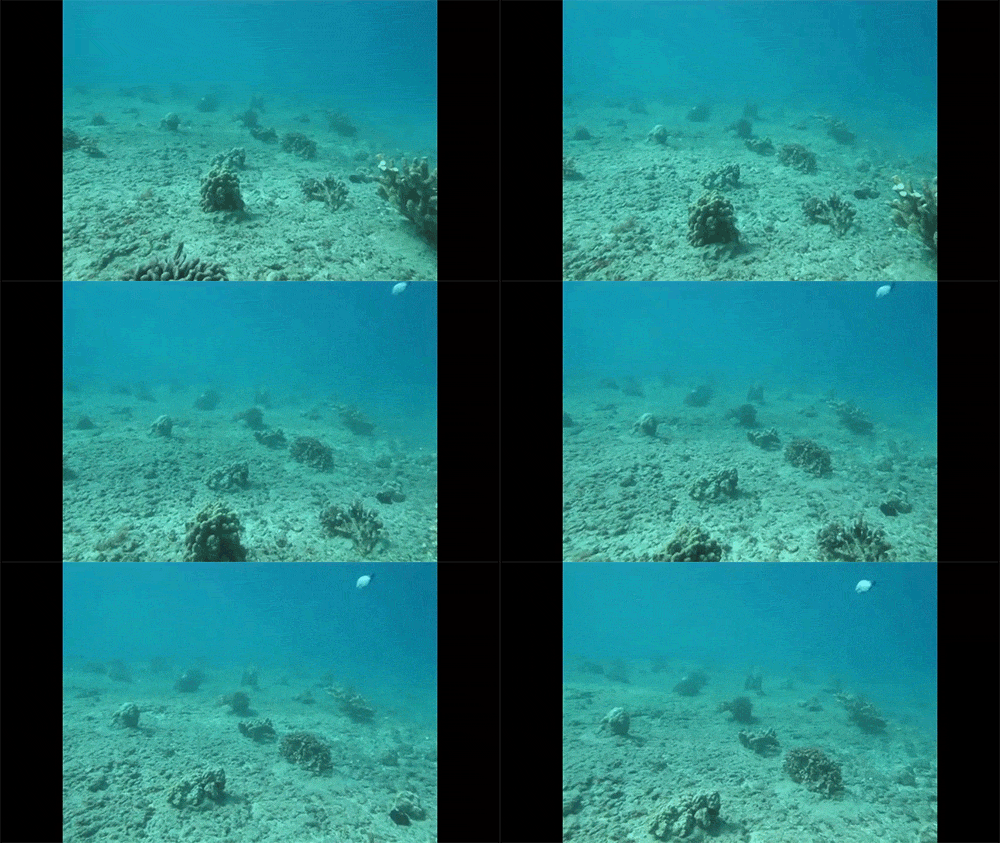
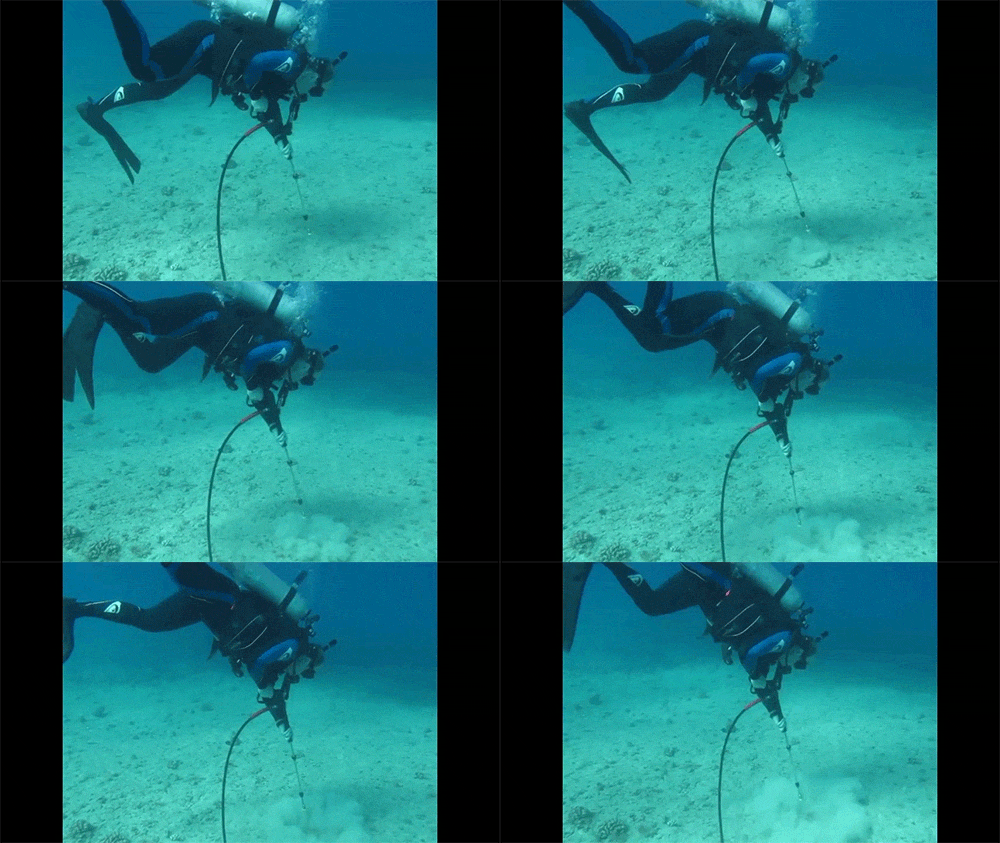
First, we literally vacuum up broken coral and rubble from the seafloor after ships run into and get stuck on coral reefs. The ships end up crushing corals' calcium carbonate homes, often carpeting the seafloor with rubble that needs to be removed for three reasons.

  1. To prevent it from smashing into healthy coral nearby.
  2. To clear space for re-attaching coral during restoration.
  3. To allow for tiny, free-floating coral babies to settle in the cleared area and start growing.

Check it out:

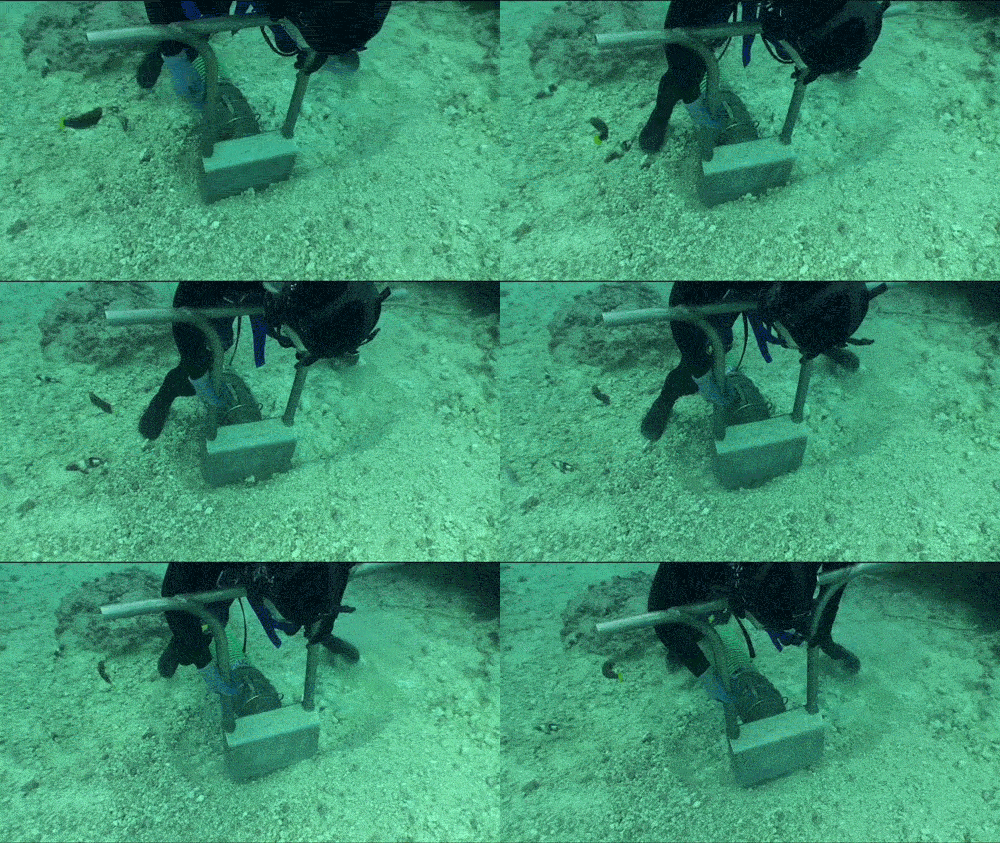
A SCUBA diver using a suction tube to vacuum coral rubble from the seafloor during coral restoration after the VogeTrader ship grounding.

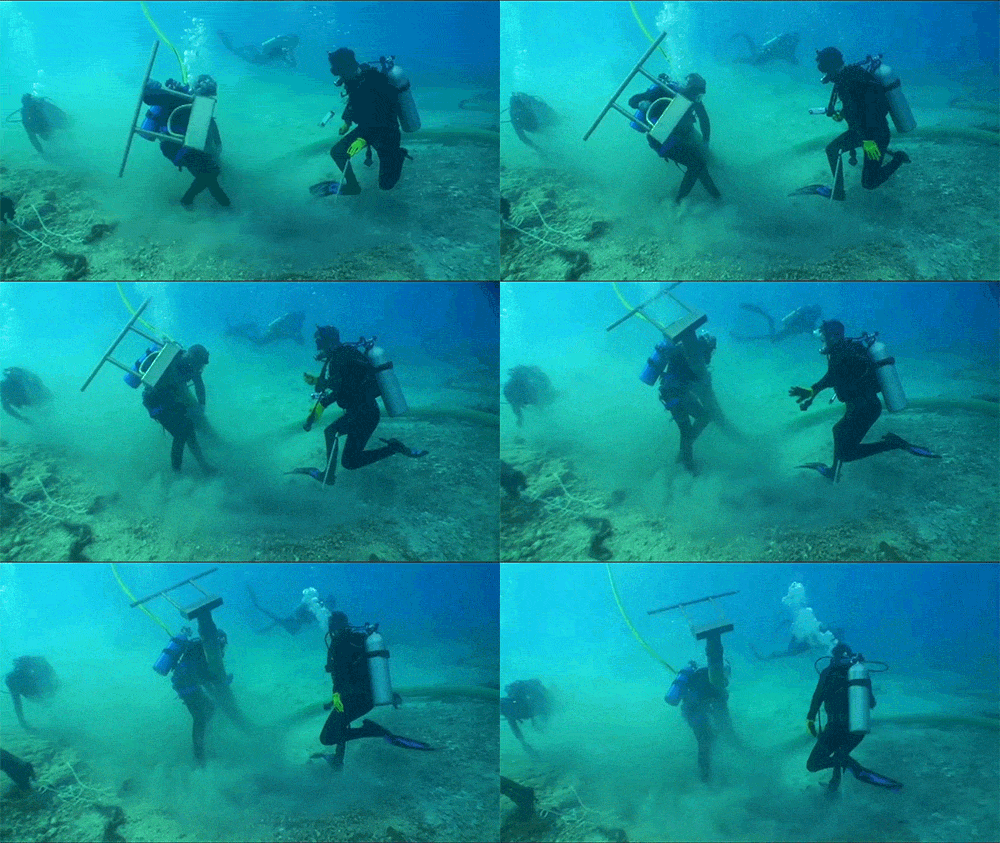
Sometimes, however, the broken bits get stuck in the suction tube, and you have to give it a good shake to get things moving.

SCUBA divers shaking a suction tube to clear it on the seafloor during coral restoration after the VogeTrader ship grounding.

Next, we save as many dislodged and knocked over corals as we can. In this case, popping them into a giant underwater basket that a boat pulls to the final restoration site.

SCUBA diver placing coral piece into a large wire basket on the seafloor during coral restoration after the VogeTrader ship grounding.

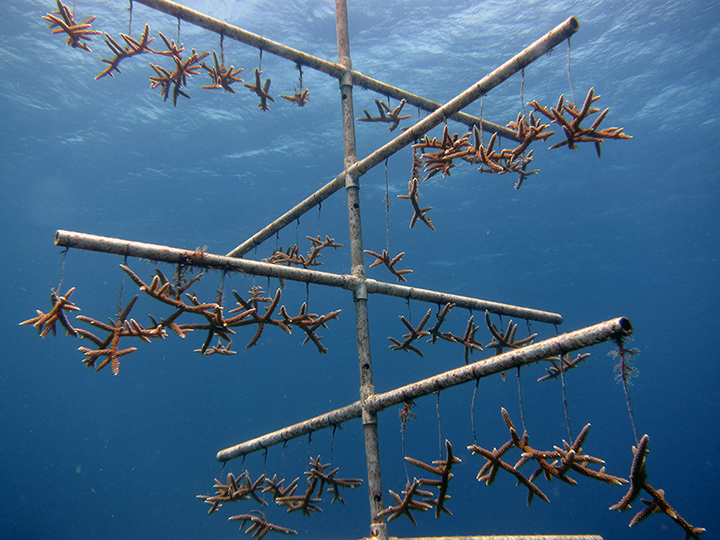
Sometimes we use "coral nurseries" to regrow corals to replace the ones that were damaged. This is what that can look like:

Staghorn coral fragments hanging on an underwater tree structure of PVC pipes.

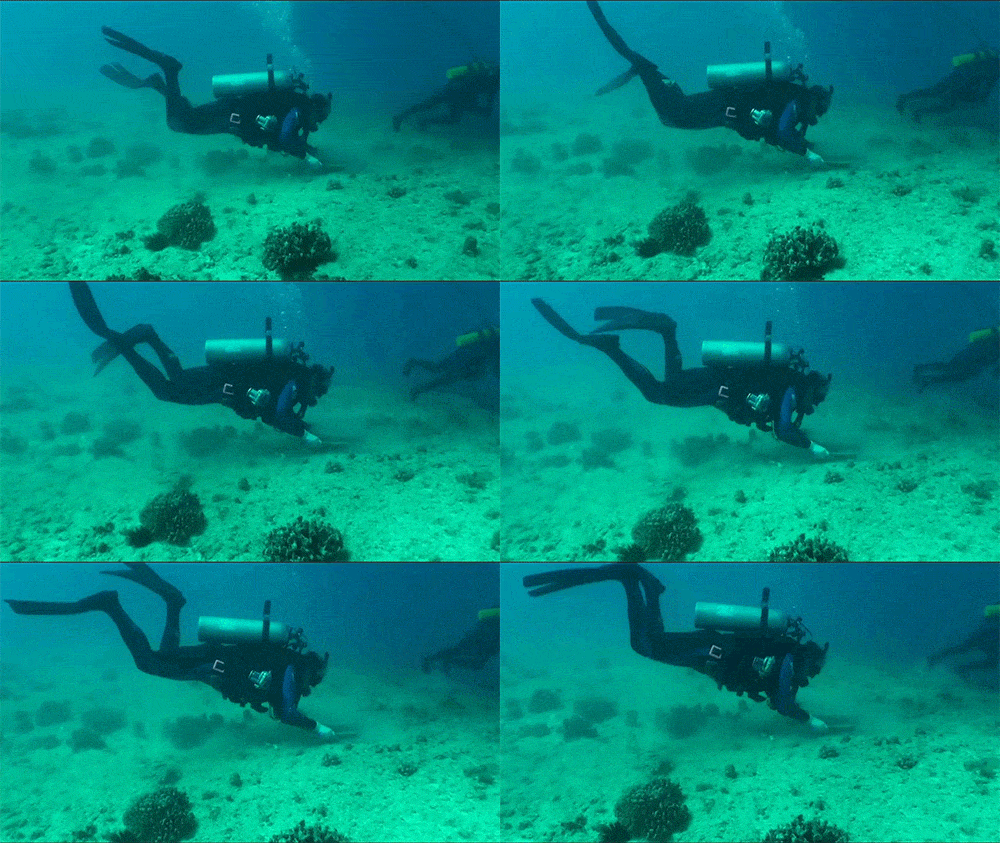
Then, we cement healthy corals to the seafloor, but first we have to prepare the area, which includes scrubbing a spot for the cement and coral to stick to.

SCUBA diver scrubbing a spot on the seafloor for the cement and coral to stick to during coral restoration after the VogeTrader ship grounding.

(And if that doesn't work very well, we'll bring out a power washer to get the job done.)

SCUBA diver using a power washer to clear a spot on the seafloor for the cement and coral to stick to during coral restoration after the VogeTrader ship grounding.

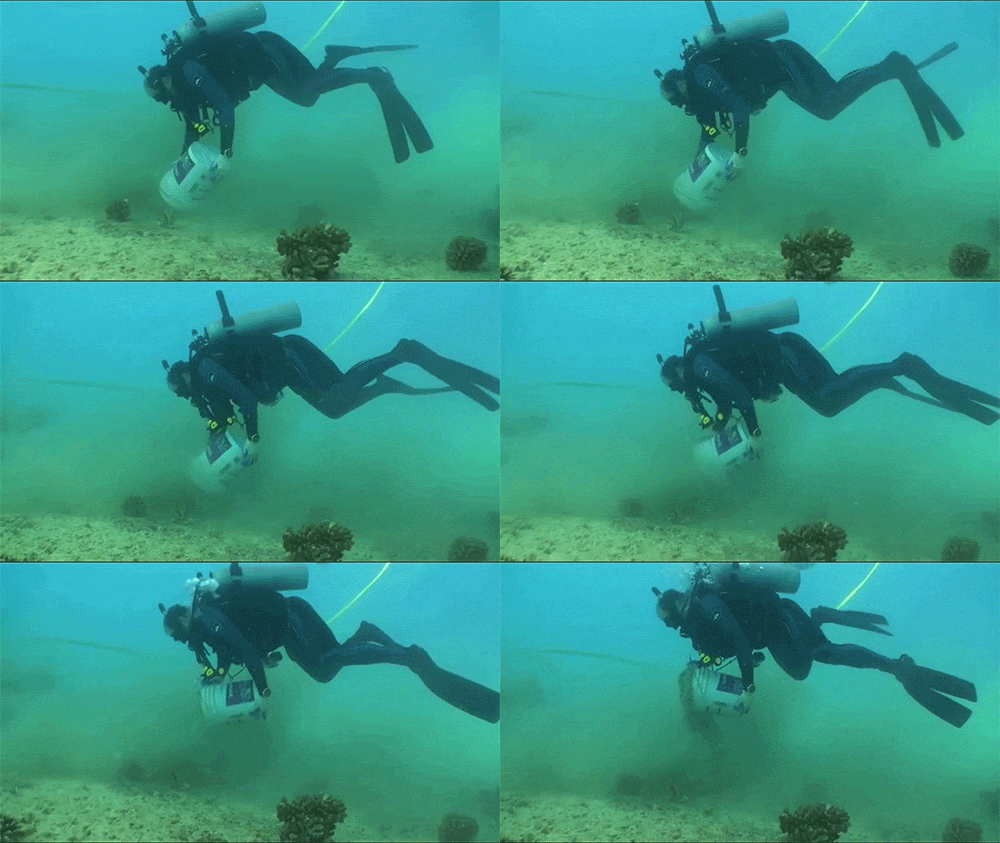
Finally, we're ready for the bucket of cement and the healthy coral.

SCUBA diver turning over a bucket of cement on the seafloor during coral restoration after the VogeTrader ship grounding.

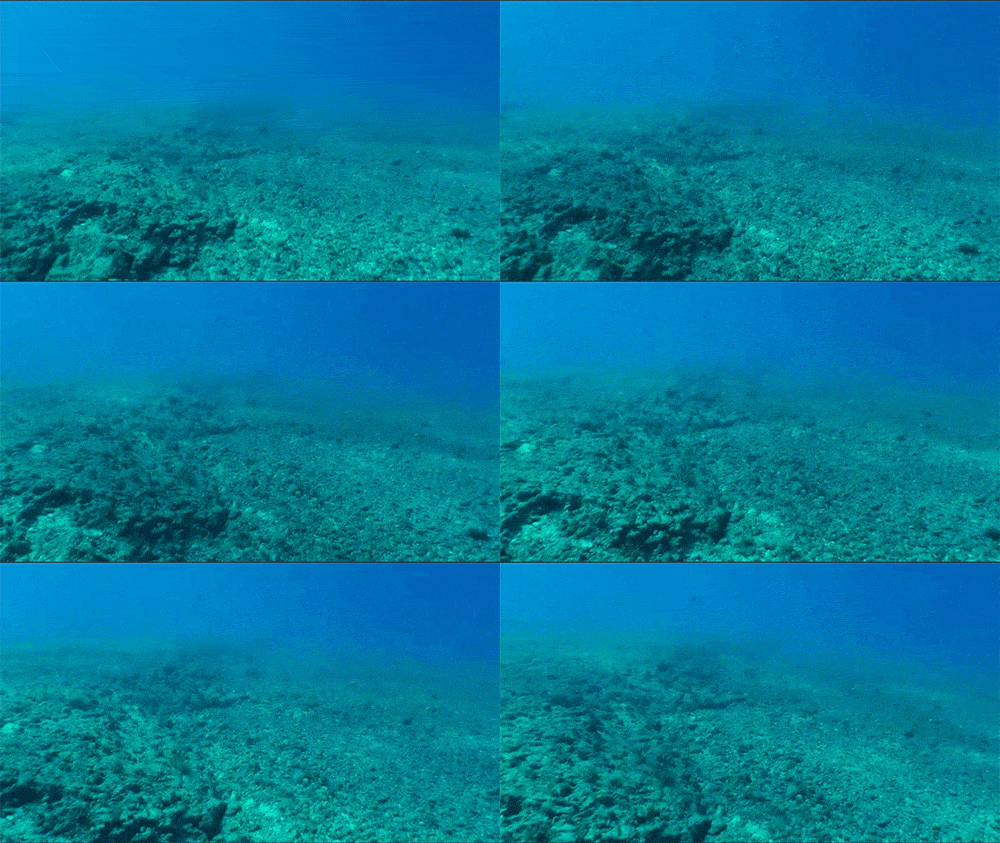
Instead of cement, we may also use epoxy, nails, or cable ties to secure corals to the ocean floor. After all that work, the seafloor goes from looking like this:

View of seafloor devoid of coral before restoration.

To this:

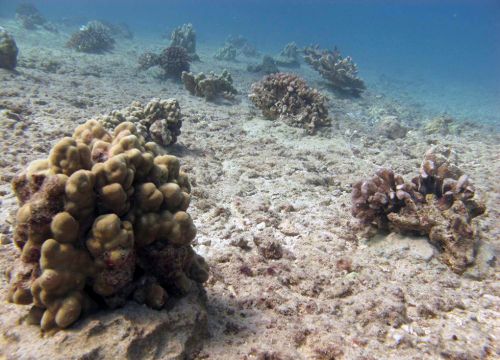
View of seafloor covered with healthy young coral and fish after restoration due to the VogeTrader grounding.

Ta-da! Good as new, or at least, on its way back to being good-as-new. When that's not enough to make up for all the harm done to coral reefs hit by ships, we look for other restoration projects to help corals in the area, like this project to vacuum invasive algae off of coral reefs in Oahu. Watch how this device, dubbed the "Super Sucker," works to efficiently remove the yellow-brown algae that is smothering the corals:

Or, as another example of a coral restoration project, we set sail each year to the remote Papahānaumokuākea Marine National Monument in the Northwestern Hawaiian Islands to pull more than 50 tons of giant, abandoned fishing nets off of the pristine coral reefs.

In 2014, that included removing an 11 ton "monster net" from a reef:

For the most part, the coral restoration you've seen here was completed by NOAA and our partners, beginning in October 2013 and wrapping up in April 2014.

These corals were damaged off the Hawaiian island of Oahu in February of 2010 when the cargo ship M/V Vogetrader ran aground and was later removed from a coral reef in Kalaeloa/Barber's Point Harbor.

Seafloor showing an area of coral restoration.
Node Weight: 
2

Who Thinks Crude Oil Is Delicious? These Ocean Microbes Do

Short title: 
These Ocean Microbes Eat Oil

This is a post by Dalina Thrift-Viveros, a chemist with NOAA's Office of Response and Restoration.

JUNE 5, 2015 -- Would you look at crude oil and think, "Mmm, tasty..."? Probably not.

But if you were a microbe living in the ocean you might have a different answer.

There are species of marine bacteria in several families, including Marinobacter, Oceanospiralles, Pseudomonas, and Alkanivorax, that can eat compounds from petroleum as part of their diet. In fact, there are at least seven species of bacteria that can survive solely on oil [1].

These bacteria are nature's way of removing oil that ends up in the ocean, whether the oil is there because of oil spills or natural oil seeps. Those of us in the oil spill response community call this biological process of removing oil "biodegradation."

What Whets Their Oily Appetites?

Communities of oil-eating bacteria are naturally present throughout the world's oceans, in places as different as the warm waters of the Persian Gulf [2] and the Arctic conditions of the Chukchi Sea north of Alaska [3].

Each community of bacteria is specially adapted for the environment where it is living, and studies have found that bacteria consume oil most quickly when they are kept in conditions similar to their natural environments [4]. So that means that if you took Arctic bacteria and brought them to an oil spill in the Gulf of Mexico, they would not eat the oil as quickly as the bacteria that are already living in the Gulf. You would get the same result in the reverse case, with the Arctic bacteria beating out the Gulf bacteria at an oil spill in Alaska.

Other factors that affect how quickly bacteria degrade oil include the amount of oxygen and nutrients in the water, the temperature of the water, the surface area of the oil, and the kind of oil that they are eating [4][5][6]. That means the bacteria that live in a given area will consume the oil from a spill in the summer more quickly than a spill in the winter, and will eat light petroleum products such as gasoline or diesel much more quickly than heavy petroleum products like fuel oil or heavy crude oil.

Oil-eating microbes fluorescing in a petri dish.
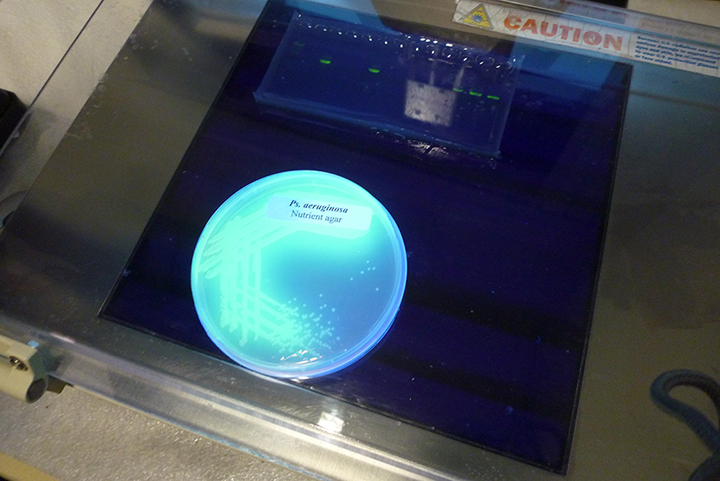
This bacteria, fluorescing under ultraviolet light in a petri dish, is Pseudomonas aeruginosa. It has been used during oil spills to break down the components of oil. (Credit: Wikimedia user Sun14916/Creative Commons Attribution-ShareAlike 3.0 Unported license)

Asphalt, the very heaviest component of crude oil, is actually so difficult for bacteria to eat that we can use it to pave our roads without worrying about the road rotting away.

What About During Oil Spills?

People are often interested in the possibility of using bacteria to help clean up oil spills, and most oil left in the ocean long enough is consumed by bacteria.

However, most oil spills last only a few days, and during that time other natural "weathering" processes, such as evaporation and wave-induced breakup of the oil, have a much bigger effect on the appearance and location of the oil than bacteria do. This is because there are usually only a small number of oil-eating bacteria in any given part of the ocean, and it takes a few days for their population to increase to take advantage of their abundant new food source.

Because of this lag time, biodegradation was not originally included in NOAA's oil weathering software ADIOS. ADIOS is a computer model designed to help oil spill responders by predicting how much of the oil will stay in the ocean during the first five days of a spill.

However, oil spills like the 2010 Deepwater Horizon well blowout, which released oil for about three months, demonstrate that there is a need for a model that can tell us what would happen to the oil over longer periods of time. My team in the Emergency Response Division at NOAA's Office of Response and Restoration has recognized that. As a result, version 3 of ADIOS, due to be released later in 2015, will take into account biodegradation.

My team and I used data published in scientific journals on the speed of oil biodegradation under different conditions to develop an equation that can predict how fast the components of oil will be consumed, and how the speed of this process can change based on the surface area-to-mass ratio of the oil and the climate it is in. A report describing the technical details of the model will be published in the upcoming Proceedings of the Arctic and Marine Oilspill Program Technical Seminar, which will be released after the June conference.

Including oil biodegradation in our ADIOS software will provide oil spill responders with an even better tool to help them make decisions about their options during a response. As part of the team working on this project, it has provided me with a much greater appreciation for the important role that oil-eating bacteria play in the long-term effort to keep our oceans free of oil.

I know I'm certainly glad they think oil is delicious.

Literature cited

[1] Yakimov, M.M., K.N. Timmis, and P.N. Golyshin. "Obligate oil-degrading marine bacteria," Current Opinion in Biotechnology, 2007, 18(3), pp. 257-266.

[2] Hassanshahian, M., G. Emtiazi, and S.Cappello. "Isolation and characterization of crude-oil-degrading bacteria from the Persian Gulf and the Caspian Sea," Marine Pollution Bulletin, 2012, 64, pp. 7–12.

[3] McFarlin, K.M., R.C. Prince, R. Perkins, and M.B. Leigh. "Biodegradation of Dispersed Oil in Arctic Seawater at -1°C," PLoS ONE, 2014, 9:e84297, pp. 1-8.

[4] Atlas, R.M. "Petroleum Biodegradation and Oil Spill Bioremediation," Marine Pollution Bulletin, 1995, 31, pp. 178-182.

[5] Atlas, R.M. and T.C. Hazen. "Oil Biodegradation and Bioremediation: A Tale of the Two Worst Spills in U.S. History," Environmental Science & Technology, 2011, 45, pp. 6709-6715.

[6] Head, I.M., D.M. Jones, and W.F.M. Röling, "Marine microorganisms make a meal of oil," Nature Reviews Microbiology, 2006, 4, pp. 173-182.

Edge of oil slick at ocean surface.
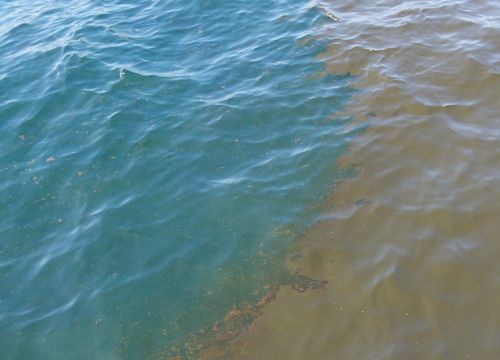
There are at least seven species of ocean bacteria that can survive by eating oil and nothing else. However, usually only a small number of oil-eating bacteria live in any given part of the ocean, and it takes a few days for their population to increase to take advantage of their abundant new food source during an oil spill. (NOAA)
Node Weight: 
3

On the Front Lines of an Oil Spill in My Own Backyard: A Report from Santa Barbara, California

Short title: 
On the Front Lines of the Oil Spill in Santa Barbara, California
Oiled boulders on a California beach with cleanup workers in the distance.
NOAA has been involved with the May 19, 2015 oil spill resulting from a pipeline break at Refugio State Beach, near Santa Barbara, California, which released an estimated 100,000 gallons of crude oil, with a reported 21,000 gallons reaching the ocean. (Bill Stanley/U.S. Fish and Wildlife Service)
Fish being measured on a table.
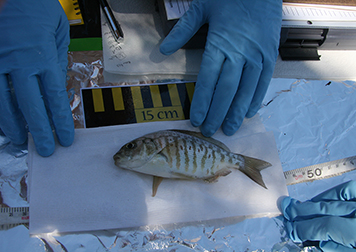
After an oil spill, scientists collect lots of data on the potential impacts of the oil and response efforts to fish, birds, and wildlife. (NOAA)
Node Weight: 
4

Like a Summer Blockbuster, Oil Spills and Hurricanes Can Take the Nation by Storm

Short title: 
Oil Spills and Hurricanes Can Take the Nation by Storm

Hurricane First, Then Oil Spills

MAY 29, 2015 -- From Twister and The Perfect Storm to The Day After Tomorrow, storms and other severe weather often serve as the dramatic backdrop for popular movies.

Some recent movies, such as the Sharknado series, even combine multiple fearsome events—along with a high degree of improbability—when they portray, for example, a hurricane sweeping up huge numbers of sharks into twisters descending on a major West Coast city. But back in the world of reality, what could be worse than a hurricane? How about a hurricane combined with a massive oil spill? It's not just a pitch for a new movie. Oil spills actually are a pretty common outcome of powerful storms like hurricanes.

There are a couple primary scenarios involving oil spills and hurricanes. The first is a hurricane causing one or more oil spills, which is what happened during Hurricane Katrina in 2005 and after Hurricane Sandy in 2012. These kinds of oil spills typically result from a storm’s damage to coastal oil facilities, including refineries, as well as vessels being damaged or sunken and leaking their fuel.

The second, far less common scenario is a hurricane blowing in during an existing oil spill, which is what happened during the 2010 Deepwater Horizon oil spill.

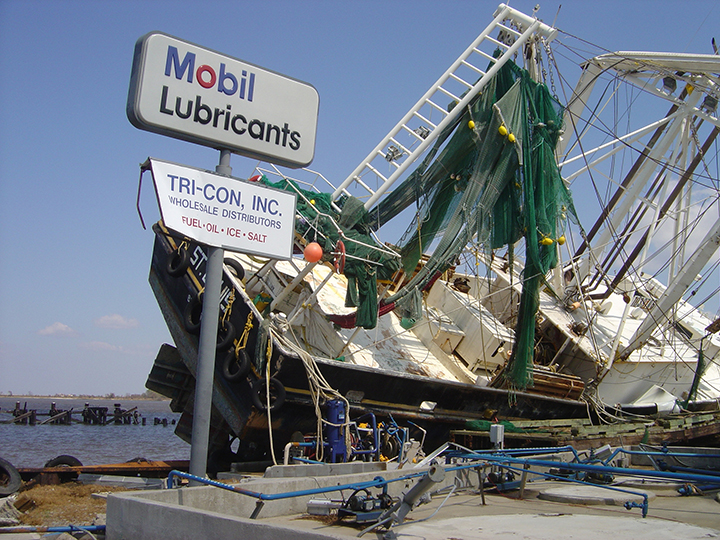
Stranded and wrecked vessels are one of the iconic images showing the aftermath of a hurricane. In most cases those vessels have oil on board. And don't forget about all the cars that get flooded. Each of these sources may contain relatively small amounts of fuel, but hurricanes can cause big oil spills too. Additional damage is often caused by the storm surge, as big oil and chemical storage tanks can get lifted off their foundations (or sheared off in the case of the picture below).

A damaged boat setting on a  fuel dock.
A boat, displaced and damaged in the aftermath of Hurricane Katrina, in late summer of 2005 in the Gulf of Mexico, an area frequented by both hurricanes and oil spills. (NOAA)

Hurricanes Katrina and Rita in 2005 passed through the center of the Gulf of Mexico oil industry and caused dozens of major oil spills and thousands of small spills. One of the largest stemmed from the Murphy Oil refinery in St. Bernard Parish, Louisiana. Dikes surrounding the oil tanks at the refinery were full from flood waters, so when a multi-million gallon tank failed, oil flowed easily into a nearby neighborhood, leaving oil on thousands of homes and businesses already reeling from the flood waters.
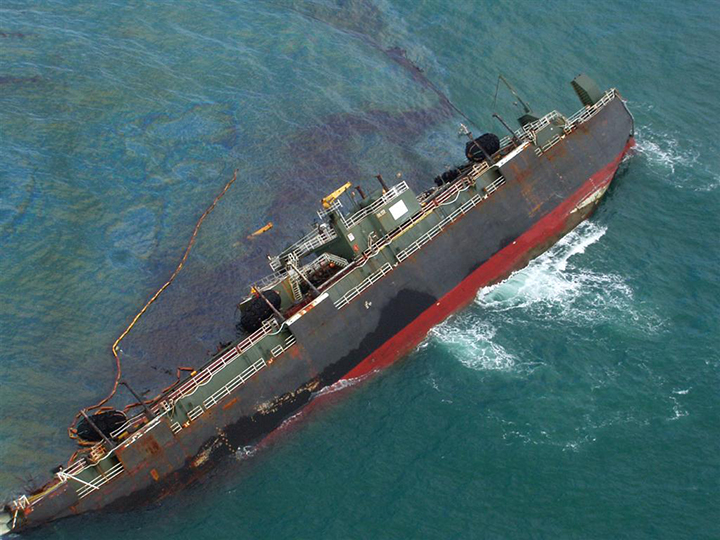
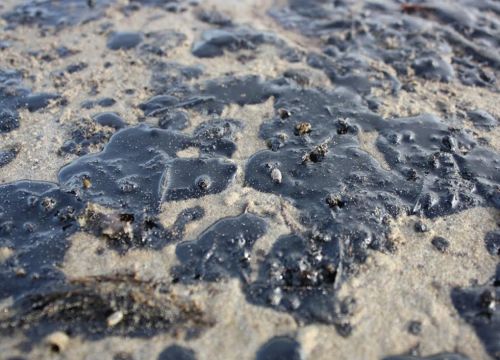
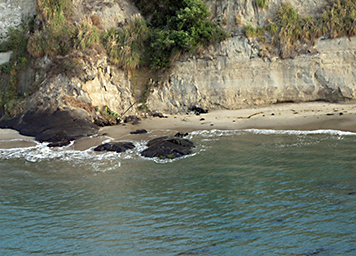
Hurricanes can also create navigation hazards that result in later spills. Hurricane Rita, hitting the Gulf in September 2005, sank several offshore oil platforms. While some were recovered, others were actually left missing. Several months later, the tank barge DBL 152 "found one of these missing rigs, spilling nearly 2 million gallons of thick slurry oil after striking the sunken and displaced platform hiding below the ocean surface.

A large ship on its side, leaking dark oil on the ocean surface.
In November 2005, tank barge DBL 152 struck the submerged remains of a pipeline service platform that collapsed a few months earlier during Hurricane Rita. The double-hulled barge was carrying approximately 5 million gallons of slurry oil, a type of oil denser than seawater, which meant as the thick oil poured out of the barge, it sank to the seafloor. (Entrix)

Oil Spills and Then a Hurricane Hits

So what happens if a hurricane hits an existing oil spill?

This was a big concern during the summer of 2010 in the Gulf of Mexico. There was an ever-growing slick on the ocean surface, oil already on the shore, and lots of response equipment and personnel scattered across the Gulf cleaning up the Deepwater Horizon spill.

There was a lot of speculation as to what might happen as hurricane season began. Hurricane Alex, a relatively small storm, was the first test. The first impact came days before the storm, as response vessels evacuated the area. Hurricane Alex halted response efforts such as skimming and burning for several days. Hundreds of miles of oil booms protecting the shoreline were displaced by the growing surf.

As the hurricane passed through, floating oil was quickly dispersed by the powerful winds and waves, and the same wave energy buried, uncovered, and moved oil on the shore or in submerged mats of oil near the shoreline. Some oil was likely carried inland by sea spray and flood waters from the storm surge. Oil dissolved in the water column near the surface became even more dispersed, but the deep waters of the Gulf were well out of reach of the stormy commotion at the surface, and the leaking wellhead continued to gush.

But the Deepwater Horizon spill wasn’t the only time hurricanes have butted heads with a massive spill. In 1979, Mexico's Ixtoc I well blowout in the southern Gulf of Mexico was hit by Hurricane Henri. The main impact of the hurricane's winds was to dilute and weather the floating oil.

In some places along the Texas coast, beached oil was washed over the barrier islands into the bays behind them, while in other areas stranded oil was buried by clean sand. Many of these oiled areas were reworked a year later when Hurricane Allen battered the coast.

Preventing oil spills is a part of preparing for hurricanes. Coastal oil facilities and vessel owners do their best to batten down the hatches and get their vessels out of harm's way, but we know that spills may still happen. Atlantic hurricane season, which runs from June 1 to November 30, is a busy time for those of us in oil spill response, and we breathe a sigh of relief when hurricane season ends—just in time for winter storm season to begin.

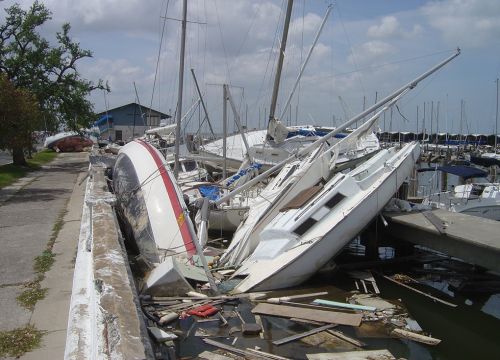
Wrecked sailboats and debris along a dock after a hurricane.
The powerful wind and waves of a hurricane can damage vessels, releasing their fuel into coastal waterways. (NOAA)
Node Weight: 
3

Pages

Subscribe to response.restoration.noaa.gov RSS